

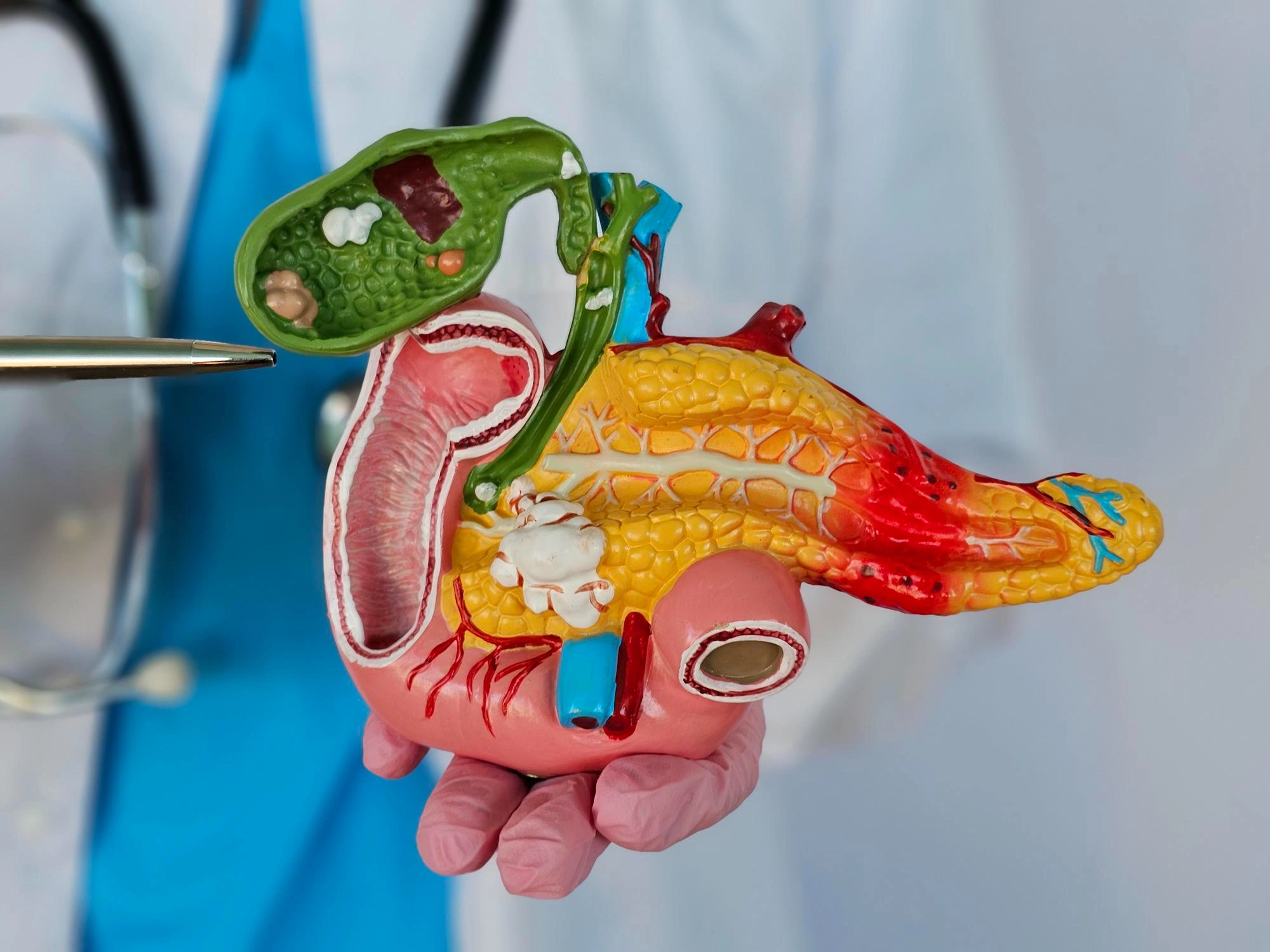
Comprehensive Guide to Gallbladder Cancer
In many hospitals across India doctors are noticing something unusual. People who come for routine scans for unrelated reasons are being told that there is a change in their gallbladder that needs attention. A small shadow in an ultrasound. A thickening of the wall. A growth they never felt. This silent pattern has made gallbladder cancer a growing concern especially in the northern belt of the country where the numbers have steadily climbed over the last decade.
The gallbladder is a modest organ. It sits tucked under the liver storing bile that helps digest fatty food. Since it is small and quiet most people never think about it. When cancer begins in this organ it grows slowly at first. Because the symptoms are vague many patients continue with their daily routine without realising anything is wrong.
Why gallbladder cancer develops
There is no single cause. The most consistent link doctors see is long standing gallstones. These stones may sit inside the gallbladder for years and create ongoing irritation. Over time the lining becomes thick or inflamed and in a few people this can turn into cancer. Continuous infection in the bile ducts also raises risk.
Some regions report higher rates due to environmental factors. Poorly stored mustard oil and certain contaminated water sources have been studied for their possible association. Age plays a role too. Most patients are above fifty though younger cases are now seen occasionally. Women are slightly more affected possibly due to hormonal influences and a higher chance of gallstones.
How symptoms begin
The early stage rarely calls attention. A person might notice a dull ache on the right side of the upper abdomen or a sense of heaviness after oily meals. Fatigue is common but usually ignored. Only when the disease progresses do more obvious changes appear. Yellowish skin. Sudden drop in appetite. Unplanned weight loss. Persistent nausea. These are signs that the bile flow or liver function is being disturbed.
Because these symptoms overlap with several digestive issues people often assume it is acidity or indigestion. This is why gallbladder cancer remains hidden for long unless a scan is done.
How doctors identify it
Ultrasound is the first and easiest step. It can pick up thickened walls or lumps that do not look normal. A CT or MRI offers much clearer detail. Sometimes doctors perform specialised imaging to understand if the cancer has reached nearby structures. Blood tests help study liver function but cannot detect cancer on their own.
Regular checks are important for people who have had gallstones for many years or those with repeated gallbladder infections. Early diagnosis improves the chances of successful treatment.
Treatment and care
Surgery remains the most effective approach when the disease is caught early. The surgeon removes the gallbladder and any surrounding tissue that looks suspicious. When the cancer is more advanced doctors may suggest chemotherapy treatments to control the spread. Every patient receives a plan that suits their stage of illness overall health and personal comfort.
Supportive care matters as well. Simple dietary adjustments such as smaller meals lighter oils and steady hydration ease digestion. Follow up assessments ensure that recovery stays on track.
Conclusion
Gallbladder cancer does not always announce itself with strong symptoms. It grows quietly which makes awareness and timely checks essential. Most people discover it only because a scan was taken for another issue.
If you have frequent gallbladder discomfort a history of long term stones or symptoms that do not settle it is wise to seek a specialist opinion. Dr Santosh Anand offers thorough evaluation and guidance for gallbladder diseases with a focus on early detection and personalised care. One consultation can help you understand your risks and protect your digestive health with confidence.