

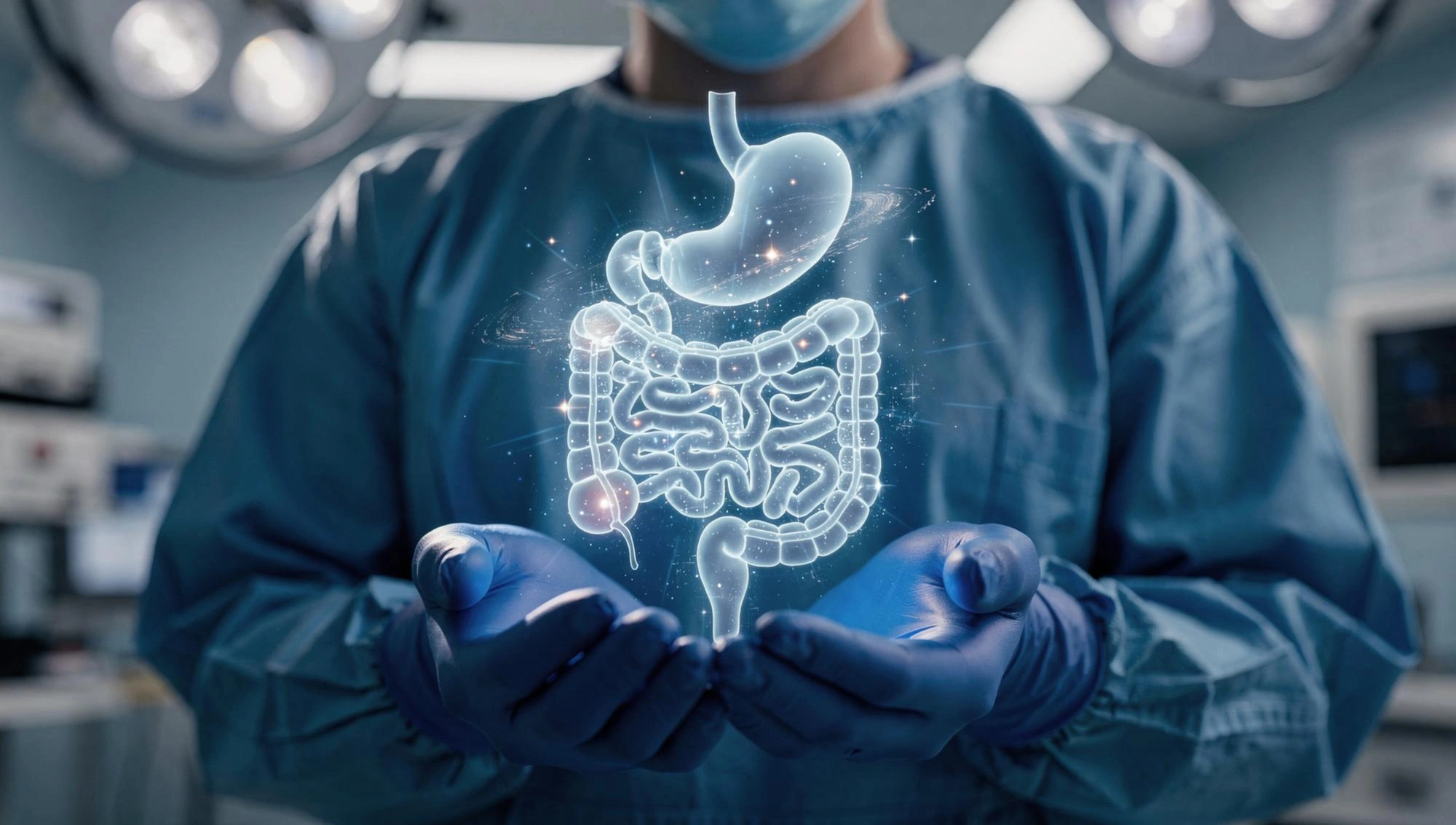
Digestive Health Check-up: Do You Need an Endoscopy or Colonoscopy
A few months ago, a middle-aged school teacher walked into the clinic complaining of a “nagging acidity” that wouldn’t settle. She had ignored it for almost a year because she assumed it was caused by long workdays and missed meals. Her routine tests looked normal, but her discomfort kept returning. After a closer evaluation, she was advised an endoscopy, which finally revealed what her blood tests couldn’t early inflammation in her food pipe.
This is more common than people realize. Many digestive issues don’t show up in basic reports, which is why doctors rely on procedures like endoscopy and colonoscopy when symptoms linger without a clear answer.
These tests are not meant only for serious problems. They are tools that give a direct look at what’s happening inside the digestive tract something scans and blood tests cannot fully show.
When an Endoscopy Is Needed
An upper GI endoscopy helps examine the food pipe, stomach, and the first part of the small intestine. It is usually suggested when a person has:
1.frequent acidity
2.trouble swallowing
3.persistent nausea
4.long-standing stomach discomfort
5.unexplained vomiting or early fullness
Endoscopy helps spot ulcers, gastritis, infections, acid reflux damage, and sometimes even early precancerous changes that can be treated in time.
The procedure itself is short and done under mild sedation, so most patients don’t feel anything except slight drowsiness afterward.
When a Colonoscopy Is Recommended
A colonoscopy focuses on the large intestine. It is the best way to check for polyps, inflammation, early cancerous changes, or unexplained bleeding.
Doctors suggest it when symptoms include:
1.blood in stool
2.changes in bowel habits
3.long-term constipation or diarrhea
4.unexplained anemia
5.abdominal pain that doesn’t settle
Colonoscopy is also recommended once you cross 45 years, even without symptoms, as a screening tool. Early detection of colon-related issues can prevent major complications later.
Why These Tests Matter
Many digestive problems begin quietly. Issues like ulcers, Barrett’s esophagus, colon polyps, or inflammatory bowel disease start with mild symptoms that people often mistake for routine indigestion.
Endoscopy and colonoscopy help catch these conditions early sometimes before symptoms even become obvious. With early diagnosis, treatment becomes simpler, recovery is quicker, and long-term complications can be avoided.
Clearing Common Misconceptions
A lot of hesitation around these tests comes from fear or lack of clarity. Many imagine them to be painful or risky. In reality, they are among the safest procedures in gastroenterology.
Most patients finish the test and go home the same day. What they often say afterward is, “I should have done this earlier.”
Conclusion
Your digestive system sends signals long before a serious problem develops persistent acidity, unexplained stomach pain, irregular bowel habits, or sudden changes after meals. When these symptoms don’t settle with simple lifestyle changes or routine treatment, it’s a sign that your gut needs a closer look.
If you’ve been dealing with ongoing digestive discomfort or your doctor has suggested screening, it may be the right time to consult Dr. Santosh Anand, an experienced gastroenterologist who focuses on careful evaluation and patient comfort.
A quick endoscopy or colonoscopy could give you the clarity and peace of mind you’ve been waiting for and sometimes, it can even prevent a future health concern before it begins.