

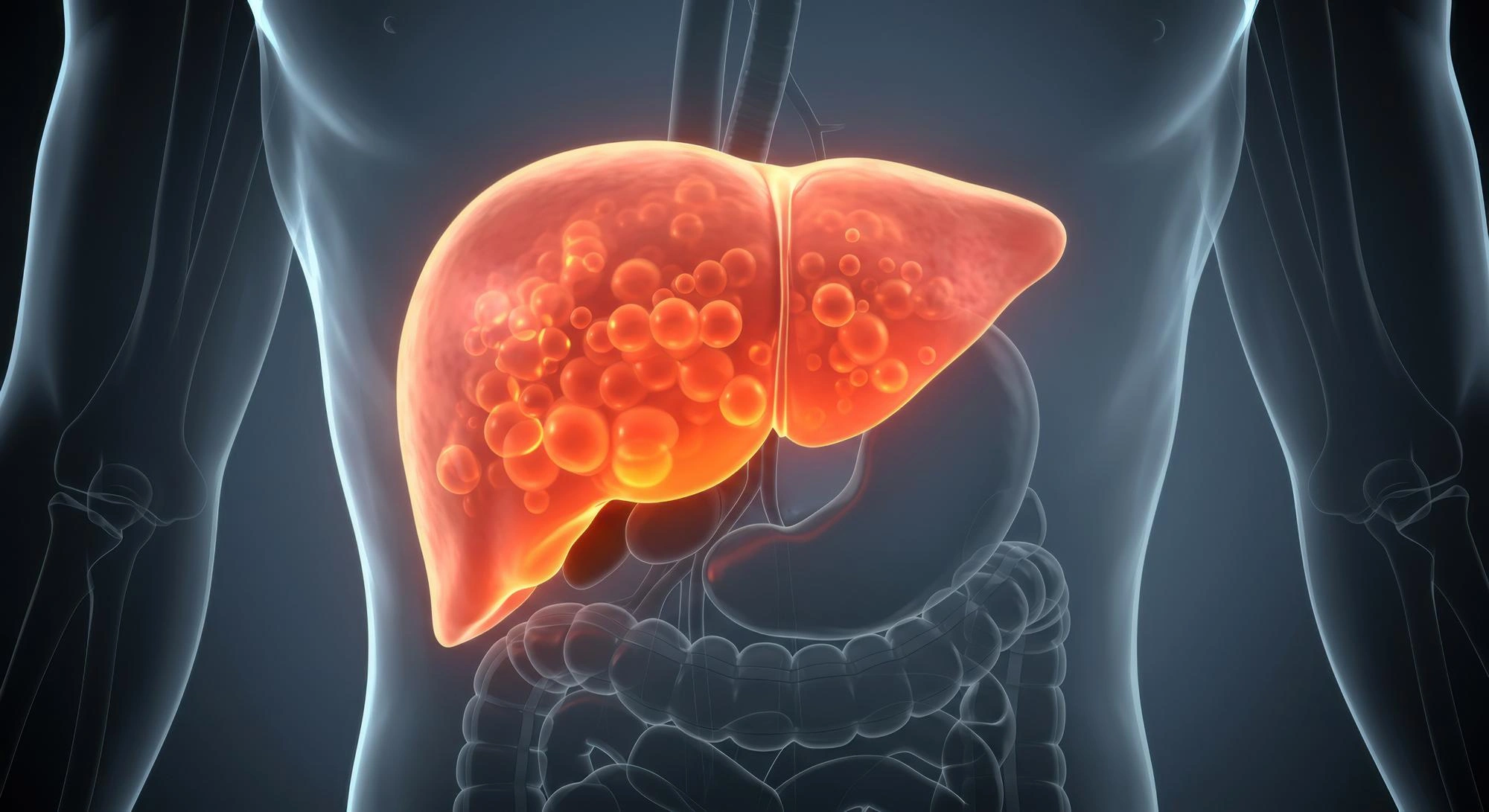
The Rising Concern of Fatty Liver Disease: Causes, Prevention, and Treatment
A few years ago, a 38-year-old IT professional walked into the clinic for a routine health check. He had no symptoms just a little tiredness after long workdays. His reports, however, showed early signs of fatty liver disease. What surprised him more was that he didn’t drink alcohol. This story isn’t rare anymore. Across cities, more and more people are being diagnosed with fatty liver, even those who appear healthy and active.
According to recent studies, nearly one in three adults in India is living with some stage of fatty liver disease. It has become one of the fastest-growing causes of chronic liver problems, often discovered only by chance during health screenings. The liver, our body’s main detox organ, silently handles everything from filtering toxins to processing nutrients. When excess fat builds up in its cells, this natural process slows down, and long-term damage can begin without obvious signs.
What Causes Fatty Liver Disease?
There are two main types alcoholic fatty liver (caused by regular alcohol intake) and non-alcoholic fatty liver disease (NAFLD), which develops without alcohol involvement. The second type is now more common, and lifestyle plays a big part. A diet high in refined sugar, oily foods, and processed snacks, along with long hours of sitting, creates the perfect setup for fat accumulation in the liver.
Obesity, diabetes, high cholesterol, and thyroid imbalances also increase the risk. Even people who are not overweight can develop it if their metabolism is slow or their diet lacks balance. Over time, excess fat causes inflammation in the liver, leading to non-alcoholic steatohepatitis (NASH) a serious stage that can progress to scarring and liver cirrhosis if untreated.
Recognizing Early Signs
Fatty liver often hides behind normal blood tests. Most people feel fine, though some may notice fatigue, mild upper abdominal discomfort, or bloating. Because symptoms are subtle, early detection depends on ultrasound scans and liver function tests during routine check-ups. Catching it early gives the best chance to reverse it naturally.
Prevention and Lifestyle Management
The liver has an incredible ability to heal when given the right care. The first step is lifestyle correction not drastic diets, but small, consistent changes.
1.Eat home-cooked, less oily meals with more fruits, vegetables, and whole grains.
2.Limit sugar-sweetened drinks and refined carbs.
3.Include daily physical activity, even a 30-minute brisk walk.
4.Maintain a healthy weight and manage cholesterol levels.
5.Avoid unnecessary medications and alcohol, as they put extra strain on the liver.
Hydration, regular sleep, and balanced meal timings go a long way in supporting liver recovery.
Treatment Options
When detected early, lifestyle and diet alone can often reverse fatty liver changes. For advanced stages, doctors may suggest vitamin supplements, insulin-sensitizing drugs, or liver-protective medications depending on individual needs. Continuous monitoring and follow-up tests help assess progress. The goal is to reduce fat buildup, prevent inflammation, and keep the liver working at its best.
Conclusion
Fatty liver disease is no longer a rare diagnosis it’s becoming a lifestyle warning sign. The good news is that it’s largely reversible when identified in time. A healthy liver means a healthier life.
If you’ve been feeling unexplained tiredness, heaviness in the abdomen, or your recent scan showed fat deposits in the liver, it’s time for a professional review. Dr. Santosh Anand, an experienced gastroenterologist, provides comprehensive evaluation and personalized guidance to restore liver health naturally. Early action can make all the difference — your liver can recover, if you listen to it in time.