


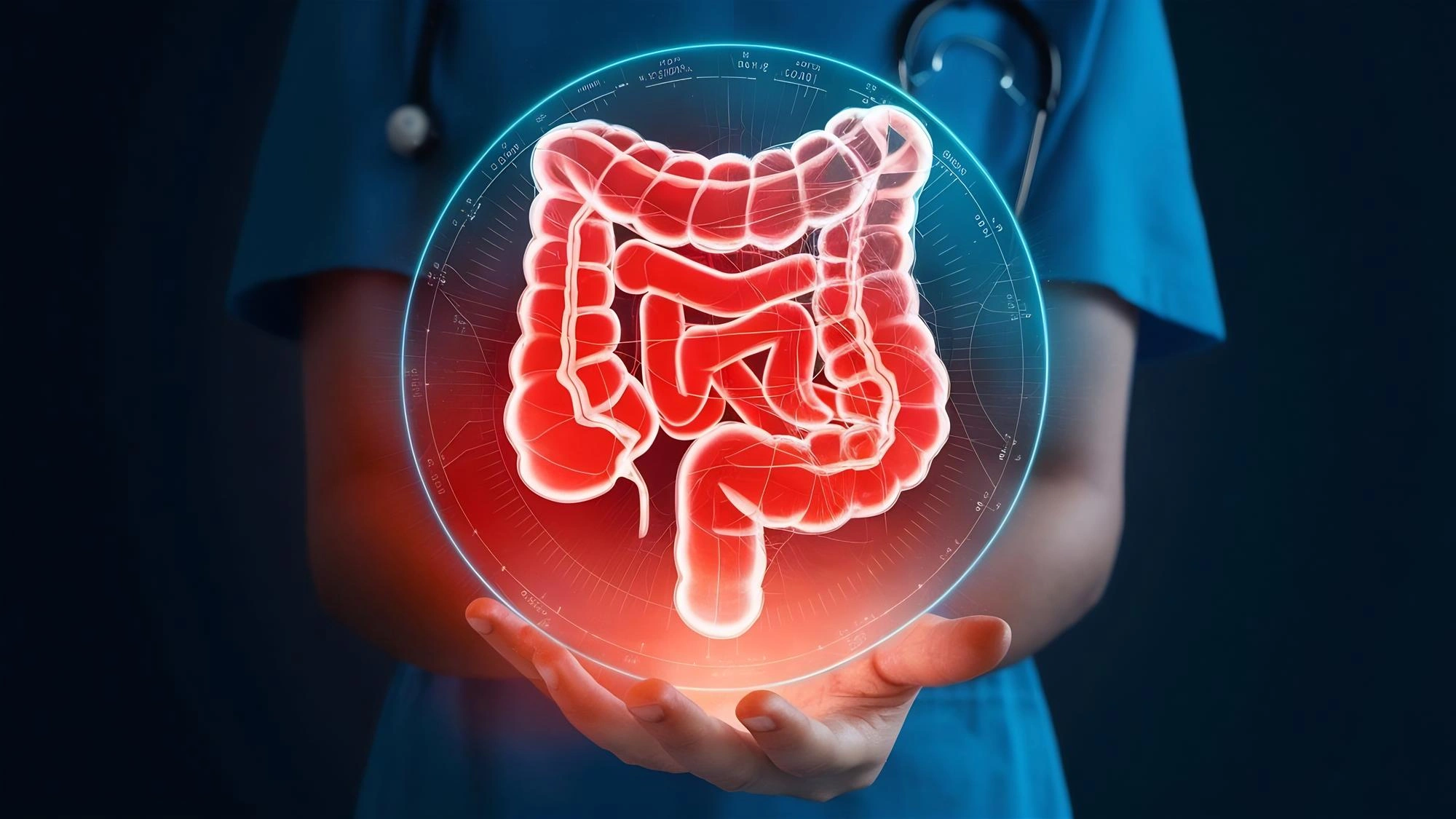
Colorectal surgery refers to procedures that treat conditions of the colon (large intestine) and rectum. It's a common area of surgery, but many patients still feel unsure about what it actually involves.
When Is Colorectal Surgery Needed?
Doctors may recommend colorectal surgery for a range of conditions, including colorectal cancer, precancerous polyps that cannot be removed during a colonoscopy, inflammatory bowel disease, diverticulitis, or bowel obstructions. The goal of surgery varies by condition, from removing a tumour and surrounding tissue to relieving a blockage or repairing damaged sections of the bowel.
How the Procedure Works
Depending on the condition and its location, surgery may involve removing a section of the colon or rectum and reconnecting the healthy ends, a procedure known as resection. In some cases, particularly with certain cancers or severe inflammation, a temporary or permanent stoma (an opening on the abdomen for waste to pass into a bag) may be needed, though many patients are able to have this reversed later once the bowel has healed.
Why Robotic and Minimally Invasive Methods Are Used
Where suitable, robotic-assisted colorectal surgery is performed through several small incisions rather than one large cut. The surgeon operates with magnified 3D vision and instruments that can move with a high degree of precision, which is particularly useful in the narrow space of the pelvis. This approach can lead to less post-operative pain, a shorter hospital stay, and a faster return to normal bowel function for many patients.
What Recovery Involves
After colorectal surgery, patients are usually encouraged to start moving around soon after the operation, as gentle movement supports bowel recovery. Diet is reintroduced step by step, and the surgical team monitors for normal bowel function before discharge. Some patients may need dietary adjustments in the weeks following surgery as the bowel heals.
Talking to Your Surgical Team
Every case is different, so it's worth asking your surgeon which part of the bowel is affected, whether a stoma will be needed even temporarily, and what the expected recovery timeline looks like. With the right surgical approach and follow-up care, most patients are able to return to their normal routine and diet over time.