


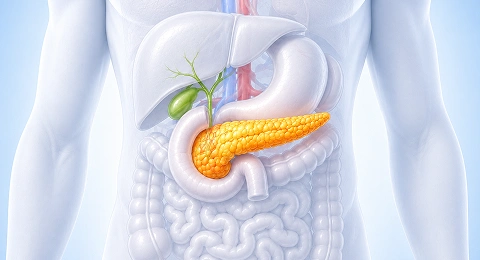
Robotic Pancreatic Surgery
The pancreas sits deep in the abdomen, surrounded by major blood vessels, making it one of the hardest organs to operate on safely. A robotic system gives the surgeon wristed instruments with a range of motion beyond the human hand, guided by a magnified 3D view, allowing fine, controlled movement around vessels and delicate tissue.
Read More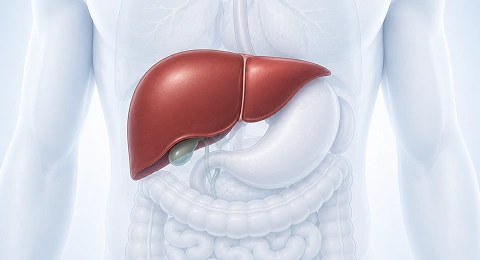
Robotic Liver Surgery
The liver can regenerate itself but is crisscrossed by a complex network of vessels and bile ducts. A magnified 3D view combined with wristed instruments helps surgeons identify and preserve important vessels while removing only the diseased portion.
Read More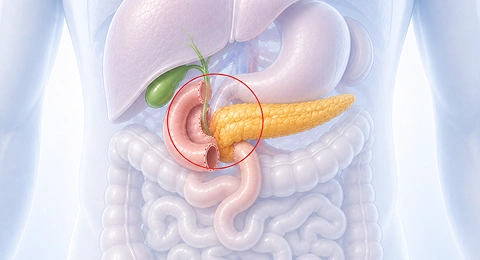
Robotic Whipple's Procedure
Medically known as a pancreaticoduodenectomy, this operation removes the head of the pancreas, the duodenum, the gallbladder, and part of the bile duct, then reconnects the remaining organs to restore normal digestion.
Read More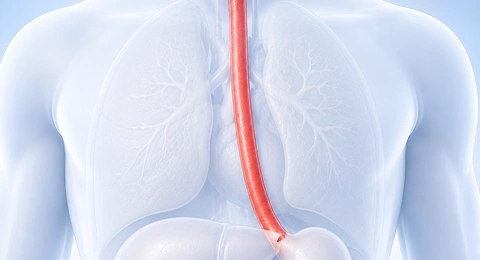
Robotic Esophagectomy
The esophagus runs through the chest close to the heart, lungs, and major vessels. A robotic approach frees the esophagus from surrounding structures through several small incisions instead of large chest and abdominal openings.
Read More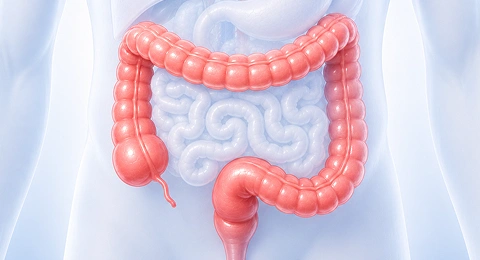
Robotic Colorectal Surgery
The rectum sits within a narrow bony space surrounded by nerves controlling bladder and sexual function. Magnified 3D vision and wristed instruments maneuver in this confined space more easily than rigid laparoscopic tools.
Read More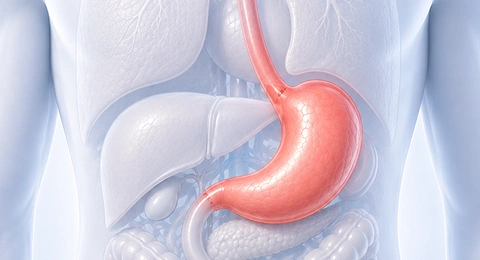
Robotic Gastrectomy
The stomach sits close to major blood vessels and the pancreas, so this surgery requires both precision and thorough dissection. A robotic approach separates the stomach and its lymph nodes from surrounding structures with accuracy.
Read More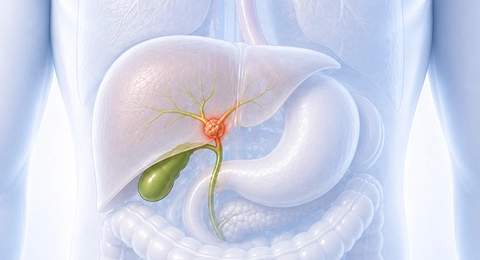
Robotic Surgery for Hilar Cholangiocarcinoma
Also known as a Klatskin tumor, this cancer arises where the bile ducts exit the liver and major vessels converge, requiring removal of the affected bile duct together with the adjoining liver lobe and careful reconstruction.
Read More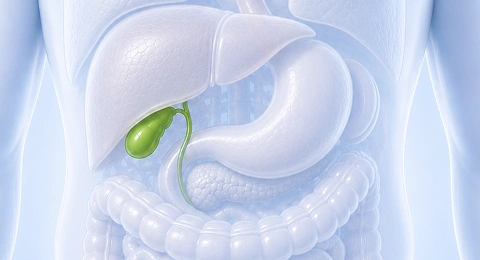
Robotic Gall Bladder Surgery
The gallbladder stores bile and is prone to forming gallstones that cause pain, inflammation, or blockages. The robotic system provides a magnified 3D view to clearly identify the gallbladder's anatomy before safe removal.
Read More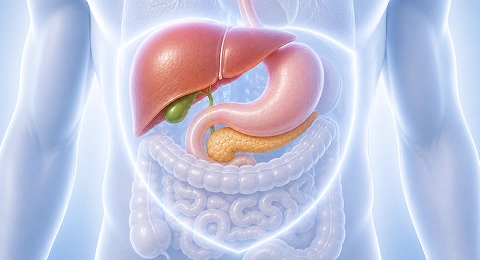
Organ Preserving Surgeries
Rather than removing more tissue than necessary, this philosophy designs operations to remove only diseased tissue while protecting the healthy tissue, blood supply, and nerves around it.
Read More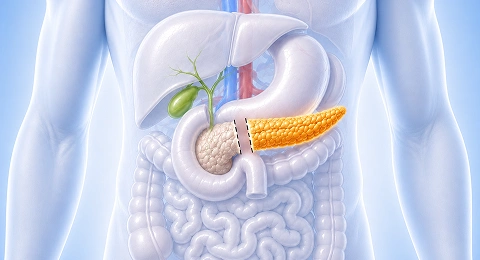
Distal Pancreatectomy
When disease is confined to the body or tail of the pancreas, it can often be treated by removing just this portion rather than the more extensive Whipple's procedure used for problems in the head.
Read More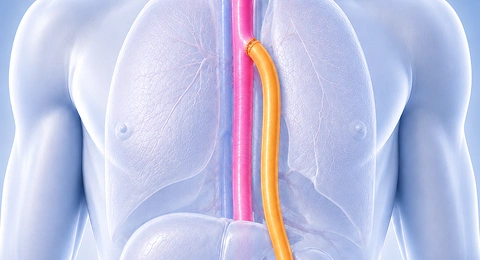
Esophageal Bypass for Corrosive Ingestion
When strictures from corrosive injury are very long, involve multiple segments, or keep recurring despite dilation, surgeons create a new passage for food rather than removing the extensively scarred esophagus.
Read More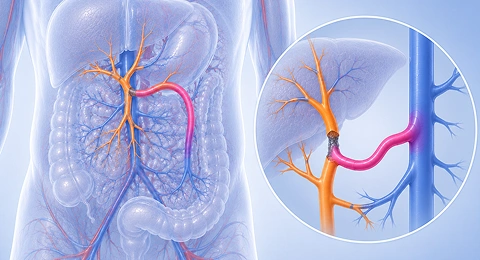
Shunt Surgeries for Portal Hypertension
The portal vein carries blood from the intestines and spleen to the liver. Shunt surgery connects the portal venous system to another, lower-pressure vein, redirecting blood flow and relieving the pressure that drives variceal bleeding.
Read More