


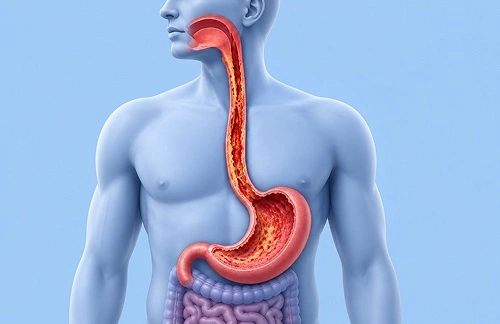
Accidental or intentional ingestion of a corrosive substance can leave lasting damage to the food pipe and stomach. Reconstructive surgery offers patients a path back to normal eating and swallowing.
Understanding Corrosive Injury
Swallowing a strong acid or alkali, whether accidentally or otherwise, can burn the lining of the oesophagus and stomach. In the weeks and months that follow, this damage often heals with scar tissue, which narrows the passage and makes swallowing increasingly difficult. In severe cases, the stricture can affect long stretches of the digestive tract.
Dr. Santhosh Anand K S, a Laparoscopic, Robotic and HPB Cancer Surgeon associated with Apollo Hospitals, Greams Road, Chennai, manages the surgical treatment of corrosive strictures at Chennai Robotic Pancreas Clinic, an area of surgery that calls for considerable reconstructive experience.
Surgical Treatment Options
Treatment is tailored to the extent and location of the injury, and may include:
- Endoscopic dilation: Stretching narrowed segments, often the first step for milder strictures.
- Stricture resection: Surgical removal of a short, severely narrowed segment with reconnection of healthy tissue.
- Oesophageal replacement: Using a portion of the colon or stomach to reconstruct the food pipe when damage is extensive.
- Gastric surgery: Correcting strictures at the stomach outlet when the injury extends into the stomach.
What to Expect as a Patient
Because corrosive injuries vary widely in severity, treatment is planned after a detailed assessment, including endoscopy and imaging, to map the extent of scarring. Reconstructive surgery is more extensive than routine GI operations, and recovery is correspondingly longer, often requiring nutritional support before and after surgery. Dr. Santhosh Anand works closely with each patient to plan this recovery in realistic stages.
Who is a Good Candidate?
Patients with confirmed corrosive strictures who have difficulty swallowing despite dilation, or whose damage is too extensive for dilation alone, are typically considered for reconstructive surgery. Nutritional status and overall health are carefully assessed beforehand, since these operations demand adequate strength for recovery.
frequently asked questions
-
Milder strictures can often be managed with repeated endoscopic dilation. Surgery is considered when dilation is not effective or the damage is extensive.
-
Recovery is gradual and can take several weeks to months, with nutritional support playing an important role throughout.
- Most patients regain the ability to eat by mouth after reconstruction, though the diet and swallowing pattern may take time to normalise.
-
It is most often required after accidental or intentional corrosive ingestion, though occasionally severe reflux-related strictures are treated with similar techniques.
Consult Dr. Santhosh Anand K S at Chennai Robotic Pancreas Clinic
For concerns related to corrosive esophageal and gastric surgery, consultations are available at Chennai Robotic Pancreas Clinic. To book an appointment, call the clinic directly.