


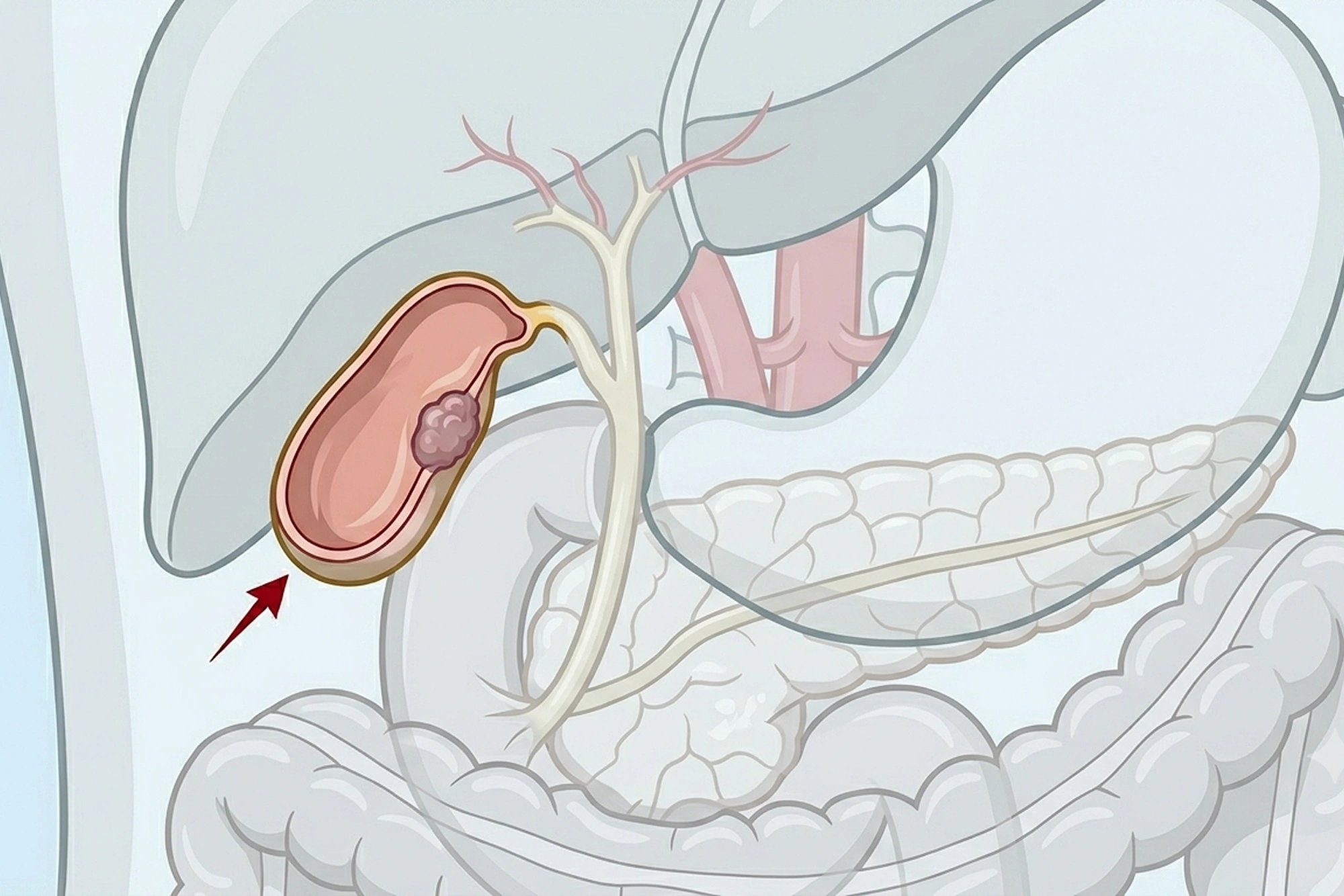
Gallbladder cancer is uncommon, but certain long-standing conditions of the gallbladder make it more likely to develop. Knowing these risk factors helps patients and their doctors decide when closer monitoring or surgery is worthwhile.
Understanding Gallbladder Cancer
Gallbladder cancer begins in the wall of the gallbladder, the small organ beneath the liver that stores bile. It is frequently discovered incidentally during surgery for gallstones, or diagnosed at a later stage because its early symptoms closely resemble those of ordinary gallstone disease.
Dr. Santhosh Anand K S, a Laparoscopic, Robotic and HPB Cancer Surgeon associated with Apollo Hospitals, Greams Road, Chennai, treats gallbladder cancer as part of his HPB oncology practice at Chennai Robotic Pancreas Clinic, from early-stage disease to more advanced cases requiring extended surgery.
Major Risk Factors
Several conditions are known to raise the long-term risk of gallbladder cancer:
- Long-standing gallstones: Years of chronic irritation from gallstones, particularly large stones, is the most common risk factor.
- Porcelain gallbladder: A gallbladder wall that has become calcified over time carries a higher cancer risk and is usually removed as a precaution.
- Gallbladder polyps: Polyps larger than 1 cm, or those that grow over time, warrant closer evaluation and often removal.
- Chronic inflammation or biliary abnormalities: Recurrent gallbladder infections and congenital conditions such as choledochal cysts are also associated with higher risk.
What to Expect During Evaluation
Evaluation usually starts with an ultrasound or CT scan of the abdomen, along with blood tests for tumour markers. In some patients, gallbladder cancer is only identified after the gallbladder has already been removed for what appeared to be routine stones, in which case further imaging and staging are arranged promptly. Dr. Santhosh Anand reviews every case individually to plan the most appropriate next step.
Who Should Be Monitored or Screened?
Patients with long-standing or large gallstones, gallbladder polyps of 1 cm or more, a porcelain gallbladder, or a relevant family history should discuss surveillance or preventive surgery with a specialist. Early evaluation of these risk factors is one of the most effective ways to catch gallbladder cancer at a stage when it is still curable.
frequently asked questions
-
No. Most people with gallstones never develop gallbladder cancer. Risk rises mainly with very long-standing or large stones and certain other conditions.
-
In patients with high-risk features such as a porcelain gallbladder or large polyps, planned gallbladder removal can significantly reduce future cancer risk.
- Yes. When detected at an early stage, gallbladder cancer can often be treated successfully with surgery.
-
Treatment depends on the stage and may involve surgical removal of the gallbladder along with part of the liver and nearby lymph nodes, sometimes combined with chemotherapy.
Consult Dr. Santhosh Anand K S at Chennai Robotic Pancreas Clinic
For concerns related to common risk factors for gallbladder cancer, consultations are available at Chennai Robotic Pancreas Clinic. To book an appointment, call the clinic directly.