


Pancreatic and gastrointestinal conditions have traditionally called for large, invasive operations. Robotic surgery is changing that, giving surgeons a level of precision and control that makes complex pancreatic and GI procedures safer, with less trauma to the patient.
What is Robotic Gastro Surgery?
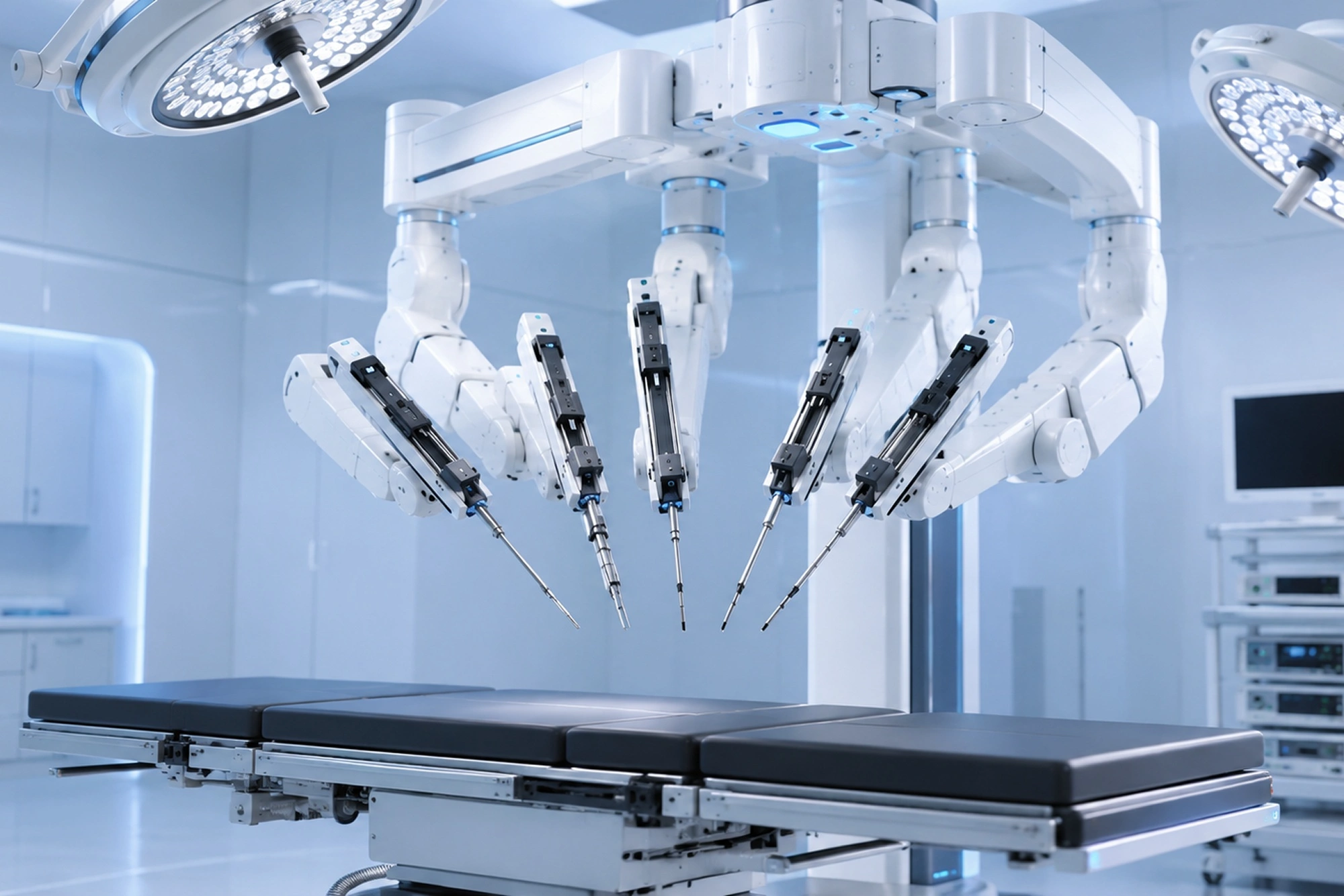
Robotic gastro surgery uses a robotic surgical system, such as the da Vinci platform, to perform operations on the pancreas, stomach, intestines and bile duct. The surgeon operates from a console beside the patient, guiding wristed instruments that rotate a full 360 degrees while a 3D camera magnifies the surgical field up to ten times. This combination allows far greater precision than the human hand alone, which matters enormously in pancreatic surgery, where the gland sits close to major blood vessels.
Dr. Santhosh Anand K S, a Laparoscopic, Robotic and HPB Cancer Surgeon associated with Apollo Hospitals, Greams Road, Chennai, trained in advanced robotic surgery in Pittsburgh, USA. At Chennai Robotic Pancreas Clinic, he uses this technology to treat pancreatic tumours, cysts, chronic pancreatitis and other gastrointestinal conditions.
Why Choose Robotic Over Conventional Surgery?
Laparoscopic surgery already offers a faster recovery than open surgery, but robotic surgery adds further advantages, particularly for the pancreas:
- Safer dissection near major vessels: The pancreas lies close to key blood vessels, and robotic precision reduces the risk of injury during dissection.
- No hand tremor: Robotic instruments filter out any natural shake, which is critical when working around fine pancreatic and bile duct tissue.
- Better visualisation: The magnified 3D view helps identify tumour margins clearly, an important factor in pancreatic cancer surgery.
- Surgeon endurance: Pancreatic operations can run long, and the ergonomic console helps the surgeon stay focused throughout.
What to Expect as a Patient?
Robotic surgery is performed under general anaesthesia through a few small incisions instead of one large cut. Pancreatic procedures can take a few hours depending on complexity. Pain is generally milder than after open surgery, and most patients are up and walking within a day or two.
Hospital stay is usually shorter than with open surgery, though recovery from major pancreatic operations naturally takes longer than simpler procedures. Dr. Santhosh Anand discusses a realistic recovery timeline with every patient before surgery.
Who is a Good Candidate?
Patients with pancreatic tumours, cysts, chronic pancreatitis or other gastrointestinal conditions requiring surgery are often good candidates for a robotic approach. It is especially useful for patients with tumours near major vessels or complex anatomy. During a consultation, Dr. Santhosh Anand reviews each patient's scans and health history to recommend whether a robotic, laparoscopic, or open approach is best.
frequently asked questions
-
Most major health insurance policies in India cover robotic surgery. Our team at Chennai Robotic Pancreas Clinic assists with pre-authorisation.
-
There is a modest additional cost, but shorter hospital stay, faster recovery and lower complication risk often offset this for suitable patients.
- Recovery depends on the procedure. Simpler operations often allow a return to normal activity within one to two weeks, while extensive pancreatic or liver surgery may take four to six weeks for a full recovery.
-
Age alone rarely rules out robotic surgery. Overall fitness for anaesthesia matters more, and this is assessed carefully during the pre-operative evaluation of each patient.
Consult Dr. Santhosh Anand K S at Chennai Robotic Pancreas Clinic
For concerns related to understanding robotic gastro surgery, consultations are available at Chennai Robotic Pancreas Clinic. To book an appointment, call the clinic directly.