


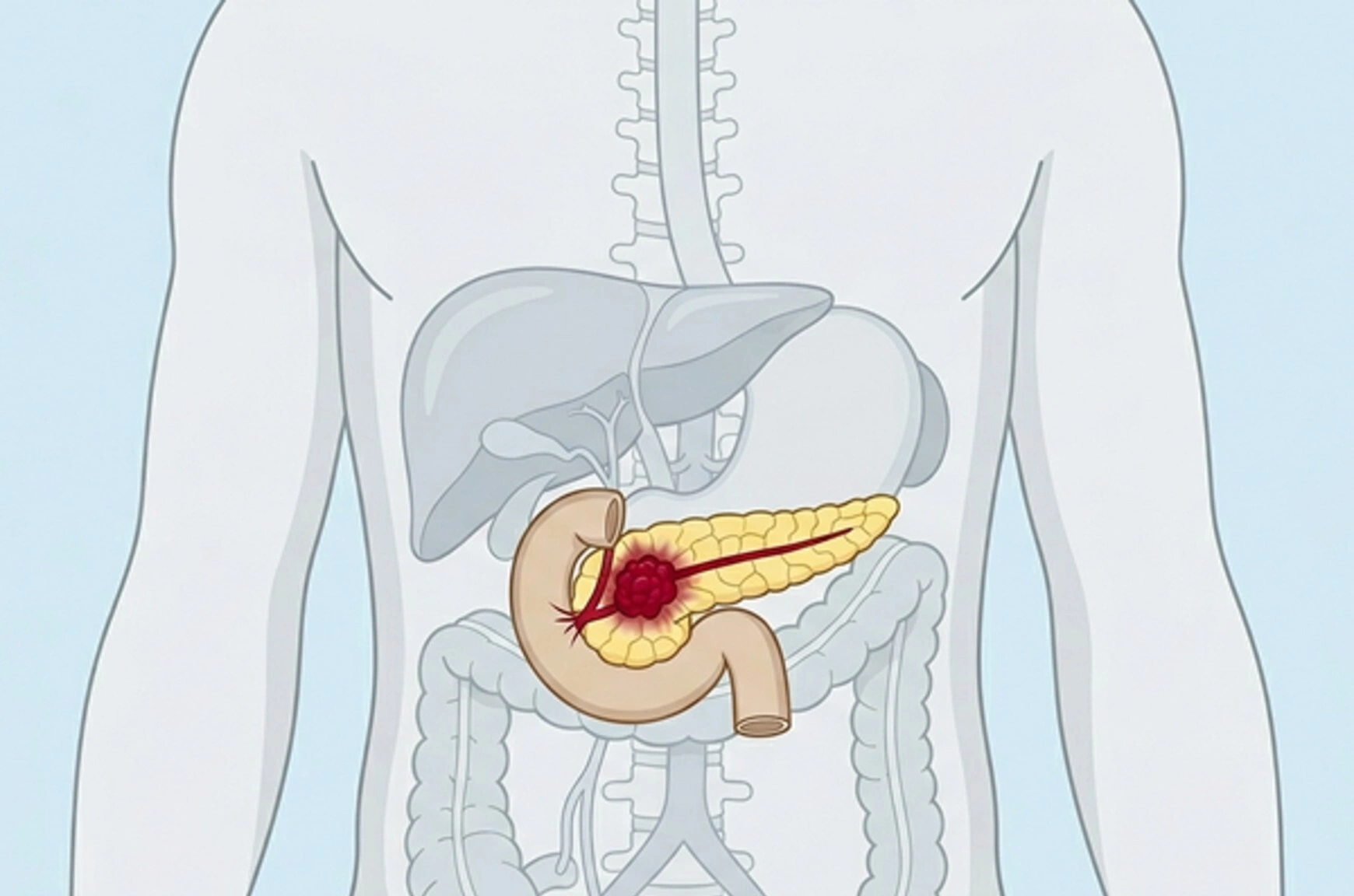
Pancreatic cancer is often called a silent disease because early symptoms can be vague or easy to dismiss. Recognising the warning signs early gives patients access to a wider range of treatment options, including surgery. Understanding Pancreatic Cancer
Understanding Pancreatic Cancer
Pancreatic cancer develops in the cells of the pancreas, the gland that produces digestive enzymes and insulin. Most cases begin in the ducts that carry these enzymes into the intestine. Because the pancreas sits deep in the abdomen behind the stomach, tumours can grow for some time before they cause noticeable symptoms, which is why the disease is frequently diagnosed at a later stage.
Dr. Santhosh Anand K S, a Laparoscopic, Robotic and HPB Cancer Surgeon associated with Apollo Hospitals, Greams Road, Chennai, evaluates and treats patients with suspected or confirmed pancreatic cancer at Chennai Robotic Pancreas Clinic, combining careful diagnostic judgement with advanced surgical expertise.
Common Symptoms to Watch For
The symptoms of pancreatic cancer can overlap with more common digestive complaints, which is part of why they are often overlooked:
- Persistent abdominal or back pain: TA dull ache in the upper abdomen that spreads to the back, often worse after eating or when lying down.
- Unexplained weight loss: Noticeable weight loss without any change in diet or activity, frequently paired with a loss of appetite.
- Jaundice: Yellowing of the skin or eyes, dark urine and pale stools, caused by the tumour blocking the bile duct.
- New or worsening diabetes: Blood sugar that becomes difficult to control, or diabetes appearing suddenly in someone with no prior risk factors, can occasionally point to an underlying pancreatic problem.
What to Expect During Evaluation
Evaluation typically begins with a detailed history and physical examination, followed by imaging such as a CT or MRI scan to look at the pancreas and surrounding structures. Blood tests, including the tumour marker CA 19-9, add further information. In many cases, an endoscopic ultrasound with a biopsy is used to confirm the diagnosis. Once results are available, Dr. Santhosh Anand explains the findings clearly and outlines whether surgery, and which type, is appropriate.
Who Should Seek Medical Attention?
Anyone experiencing a combination of the symptoms above, particularly persistent pain, unexplained weight loss or jaundice, should see a specialist promptly rather than waiting to see if symptoms pass. This is especially important for individuals with a family history of pancreatic cancer, long-standing chronic pancreatitis, or a personal history of smoking, all of which raise the level of concern warranting earlier evaluation.
frequently asked questions
-
Routine blood tests and physical exams do not reliably detect pancreatic cancer early. Specific imaging and, in some cases, endoscopic evaluation are needed when symptoms or risk factors are present.
-
Early pancreatic cancer often causes vague discomfort or mild digestive changes, while advanced disease is more likely to bring on jaundice, significant weight loss and persistent pain.
- No. Jaundice has several causes, including gallstones and liver disease. However, new jaundice in an adult should always be evaluated promptly to rule out a pancreatic or bile duct tumour.
-
A CT or MRI scan usually identifies a mass, and a biopsy, often taken via endoscopic ultrasound, confirms the diagnosis and guides treatment planning.
Consult Dr. Santhosh Anand K S at Chennai Robotic Pancreas Clinic
For concerns related to recognizing the symptoms of pancreatic cancer, consultations are available at Chennai Robotic Pancreas Clinic. To book an appointment, call the clinic directly.