

14 May 2026
How Robotic Gastro Surgery Improves Precision and Recovery in GI Procedures
A shift marks how surgeons now treat digestive system problems—a change that has grown rapidly over the last ten years. Open methods once ruled the field, as did basic keyhole techniques trusted for their reliability. Yet, machines guided by human hands began altering outcomes when they entered the scene. Precision found new ground where mechanics met medical skill during operations. Patient healing improved, not just slightly, but in clear, measurable ways. Movement in the operating room favors these tools now, given what they offer beyond older forms of assistance.
The Path From Rough Cuts To Fine Control
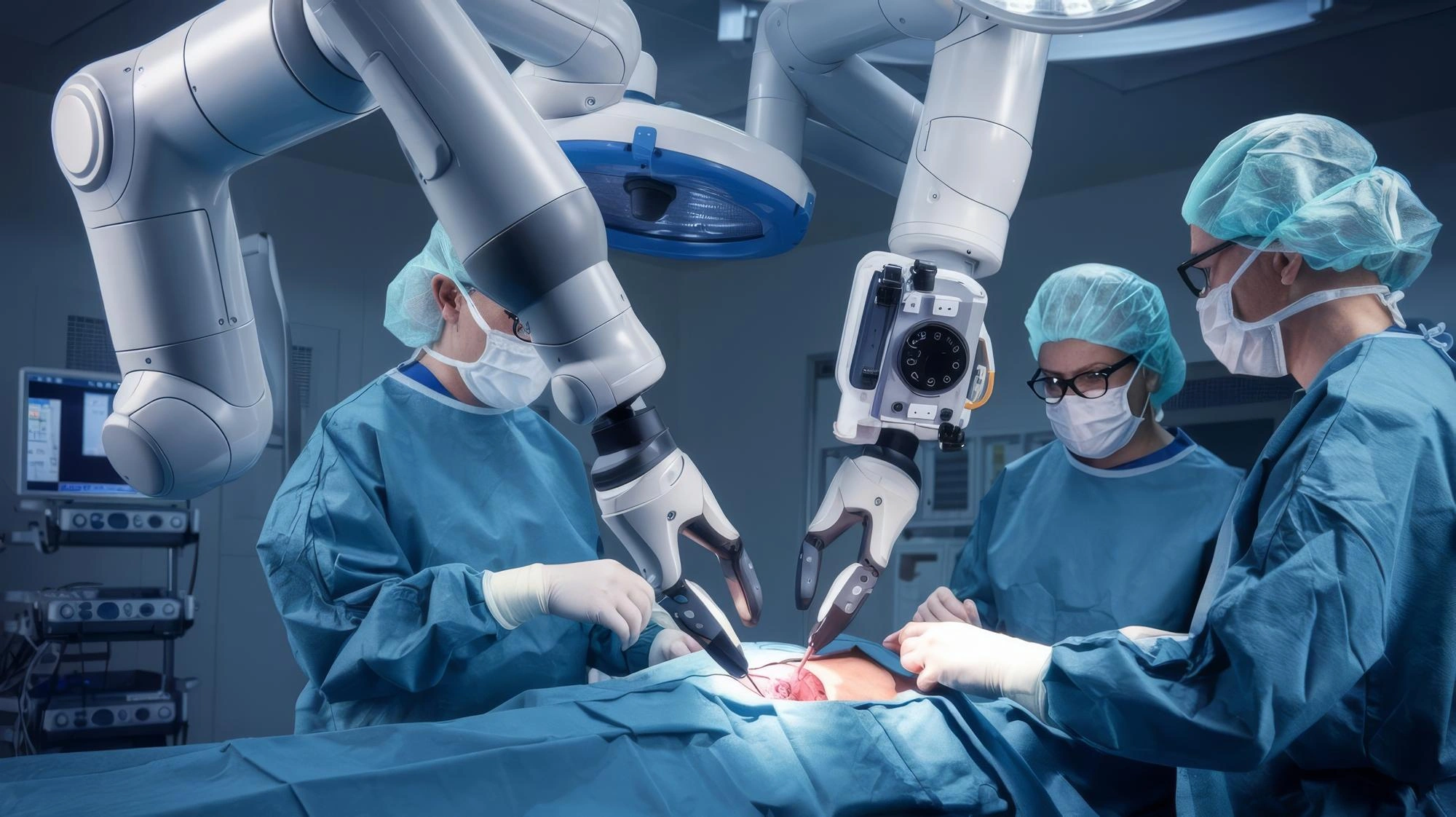
Robotic gastro surgery builds on methods that avoid large incisions. Where older approaches require wide openings so hands can reach inside, this method uses entry points as narrow as a buttonhole. Small tools and a sharp camera slip through those openings, ensuring that precision grows while physical damage drops.
Among the innovations boosting accuracy, robotic arms equipped with EndoWrist mechanics stand out. While human hands are highly skilled, their range of motion is limited and can be marked by tiny, microscopic shakes. In contrast, machine tools can pivot a full 360 degrees and move beyond natural joint limits. This flexibility allows medical teams to reach confined areas within the abdomen without losing control. When considering Robotic vs Traditional Surgery, a key advantage is that robot-assisted operations remove these slight quivers entirely, which is vital during fine stitching or work close to large veins and arteries.
Clearer Views of Complicated Body Structures
Navigating the abdomen requires moving through tightly packed structures, including a web of delicate blood vessels, neural pathways, and immune tissues. Conventional keyhole techniques rely on flat, 2D video output, which can reduce the accurate judgment of distances.
In the operating room, robotic tools deliver sharp, 3D high-definition visuals of the area being treated. Seated at a control station, the clinician peers into an eyepiece granting enlargement of up to ten times normal size. With this depth-rich vision, delicate separation of tissues becomes feasible, allowing healthy cells to stand apart from abnormal ones. Such precision is paramount in Robotic Surgery for GI Cancer, where removing malignant masses completely while sparing surrounding organs is the primary goal.
Effects on Cancer Therapy and Lymph Node Removal
Lymph nodes, often hidden near critical organs, complicate surgery for gut tumors. Removing them—a process called lymphadenectomy—is a critical step for cancers affecting the esophagus, stomach, or lower bowel. These small hubs sit deep within tangled anatomy, making their location a high risk during extraction.
Surgeons often find that robotic assistance supports deeper access during node removal than standard techniques allow. With enhanced vision and flexible movement, the machine reaches areas once difficult to treat effectively. Clear visuals guide careful tissue handling, reducing unintended damage nearby and contributing to better recovery rates for those facing advanced disease.
Faster Recovery With Less Physical Strain
After robotic surgery ends, patients often notice immediate improvements. Because the incisions are so small, there is far less damage to the abdominal wall. Recovery becomes easier through:
- Reduced Blood Loss: Tiny blood vessels stay sealed more effectively because robotic tools move with extreme accuracy.
- Lower Infection Risk: Smaller cuts stay cleaner because they expose less tissue than the wide openings needed in traditional surgery.
- Minimized Pain: Fewer narcotics are needed because of reduced tissue damage, and hospital stays involve milder discomfort.
- Shorter Hospital Stays: Patients often spend fewer days in the hospital compared to standard open methods.
The Road to Faster Return
The main aim of surgery is getting patients back to their daily routines without delay. In standard stomach operations, healing might stretch over many weeks or months because large abdominal cuts take a long time to close.
After robotic surgery, recovery happens faster. Walking and drinking usually start within one day after the procedure. Because movement begins so soon, risks such as blood clots or lung infections drop sharply, sidestepping the dangers associated with lying still for long stretches.
Conclusion
Robotic gastro surgery stands at the peak of today's medical technology. Thanks to the fusion of human expertise and machine accuracy, results often improve significantly. When comparing Robotic vs Traditional Surgery, robotic systems allow for greater control, which is especially vital in Robotic Surgery for GI Cancer. Patients benefit from reduced discomfort, lower risk of complications, and quicker recovery times. These advancements shift how care unfolds, ensuring our patients receive the most precise treatment available.