

22 June 2026
Minimally Invasive GI Surgery: Benefits, Recovery Time, and Who It’s Right For
Long ago, operations left deep cuts across the skin, marks that stayed, days stuck in bed. Even now, plenty picture it that way. Yet inside gut medicine, change crept through back doors. These days, more than before, doctors work with tiny tools through small openings - methods altering not only what happens on the table, but how bodies feel once they leave.
The difference isn’t always dramatic at first glance. A few smaller cuts instead of one large one. A camera instead of direct exposure. Yet beneath that, the entire process feels lighter on the body.
Minimally Invasive GI Surgery Explained?
Most gut surgeries today skip big cuts. Tiny holes let tools slip inside. A mini video eye shows what's happening within. Doctors watch screens while fixing things deep inside. This method avoids slicing open the belly wall wide. Little pokes replace long scars down the middle.
Doctors often pick this method when dealing with gut-related troubles like a damaged gallbladder, torn tissue walls, burst appendix, stomach acid backing up, or odd bowel behavior, including cases suited for minimally invasive surgery for gallblader removal.
What matters most doesn’t change - fixing the problem works the same way. How rough the journey feels on the inside is what’s actually new now.
How It Is Different From Regular Surgery
Open surgery uses a big cut so doctors can reach the organ straight on. Though it works well, it often involves shifting or uncovering more of the body along the way.
Less intrusion means less impact. Instead of slicing through muscle, small moves keep things intact. Nearby areas stay mostly untouched. As a result, the body responds more gently during recovery.
Less pressure adds up across the board. Recovery starts looking different because of it.
Common Improvements People Report
Right away, many people notice their pain has eased following the procedure. Because the cuts are tiny, the body goes through less stress, so it simply hurts less.
Most folks leave the hospital faster these days. Some head out by the next morning, others even sooner if things go smoothly.
Healing inside moves without much trouble, even when the surface shows little marks. Over months, those marks tend to soften, sometimes vanishing nearly. Without a wide opening, germs find it harder to enter. Big injuries bring more problems - here, they simply don’t happen as often.
Back to daily life happens faster than you might think. Moving around, having meals, a bit of movement - all come back earlier than most assume. That change matters more than it sounds; body and mind both feel the effect.
How Long Recovery Takes
Healing never sticks to just one path. Depending on the operation, someone’s overall condition shapes what happens next. The way each person’s body reacts makes every situation different.
Right away, a little soreness near the cuts happens often. A few people feel puffiness because air goes inside during keyhole surgery. That tends to fade without help.
Most everyday tasks get doable again after about seven days. Around the third week, strength starts coming back with more consistency.
Healing wraps up in a handful of weeks, yet hardly ever sits heavy on your days. Step by step, tiny shifts add up without pressure. Progress slips forward when you least notice.
Later appointments check how recovery is going inside, making sure each part moves together like it should, often guided by how to prepare for gastrointestinal surgery protocols shared beforehand.
Who Is a Good Candidate?
Some people fit well with minimally invasive gut operations. Others do not qualify at all. It depends on individual health factors. Not every case works the same way. Medical history shapes what option makes sense. Body response varies person to person. Treatment choice follows that pattern too.
Most people get good results when problems are caught fast, especially if the body hasn’t changed much yet. Take gallstones, say - those usually respond fine. Early hernias behave similarly, showing clear signs without confusion. Appendicitis fits here too, clean in its pattern. Even some reflux issues move smoothly through treatment under these circumstances.
Most folks bouncing back quickest share one thing - good overall health, never had many belly operations. When old scars are missing, doctors find their way smoother with tiny instruments through small cuts.
Still, when things get complicated - like with serious illness, infections that have spread far, or messy internal structures - a traditional surgical approach could actually carry less risk.
Most times there isn’t a single right choice. Picture results matter just as much as a doctor’s experience when picking what works. Success depends on how well everything fits together, especially in setups offering comprehensive gastrointestinal surgery services.
Limitations Exist?
Though small incisions bring clear benefits, limits still exist. Yet every approach eventually meets its match.
When extra space is needed, surgeons might switch approaches mid-operation. Should problems arise, what starts through small cuts can shift to a larger incision. Visibility issues often guide that decision. Safety matters most once inside.
This moment isn’t failure - just a quick choice shaped by care. Right now matters more than before.
Still, even with sharper tools fitting through tinier openings, first comes keeping patients out of harm’s way. New gadgets don’t shift that anchor point - safety sets the pace.
The Role of Surgical Skill
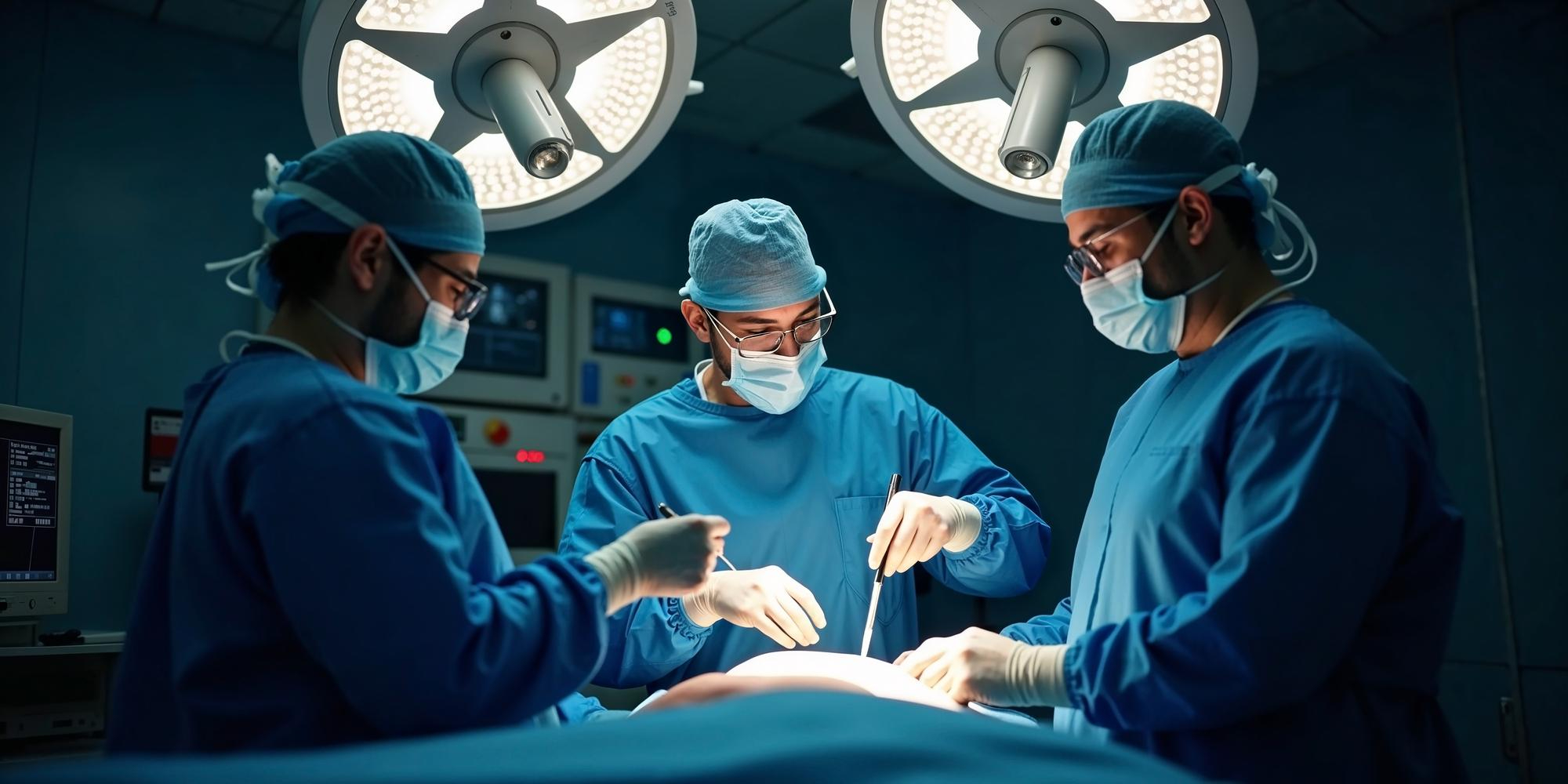
Through tiny openings, surgeons work with tools guided by images on a monitor. Mastery comes only after long practice and careful repetition. Precision shapes every move when hands do not touch the body directly.
Outcomes improve significantly when procedures are performed in centers familiar with these techniques, including those offering advanced robotic gastro surgery procedures alongside standard minimally invasive care. The combination of skill, equipment, and post-operative care shapes the overall experience.
Smaller slices matter less than precision when it comes to exact moves. What counts is how steady the hand stays during the act.
Conclusion
Most folks used to face weeks stuck in bed after gut operations. Now, tiny cuts replace big ones, easing the whole journey. Recovery slips into place without drama, almost quietly. Little by little, strength returns while discomfort stays low. The body adjusts sooner than expected. Healing unfolds at its own pace, less jarring each day.
Healing continues, yet because there’s less damage, balance returns faster than expected.
Back to living - this change hits hard for plenty who once felt stuck. It isn’t only about care; it’s moving freely again, unchained from the routine that used to weigh them down.