

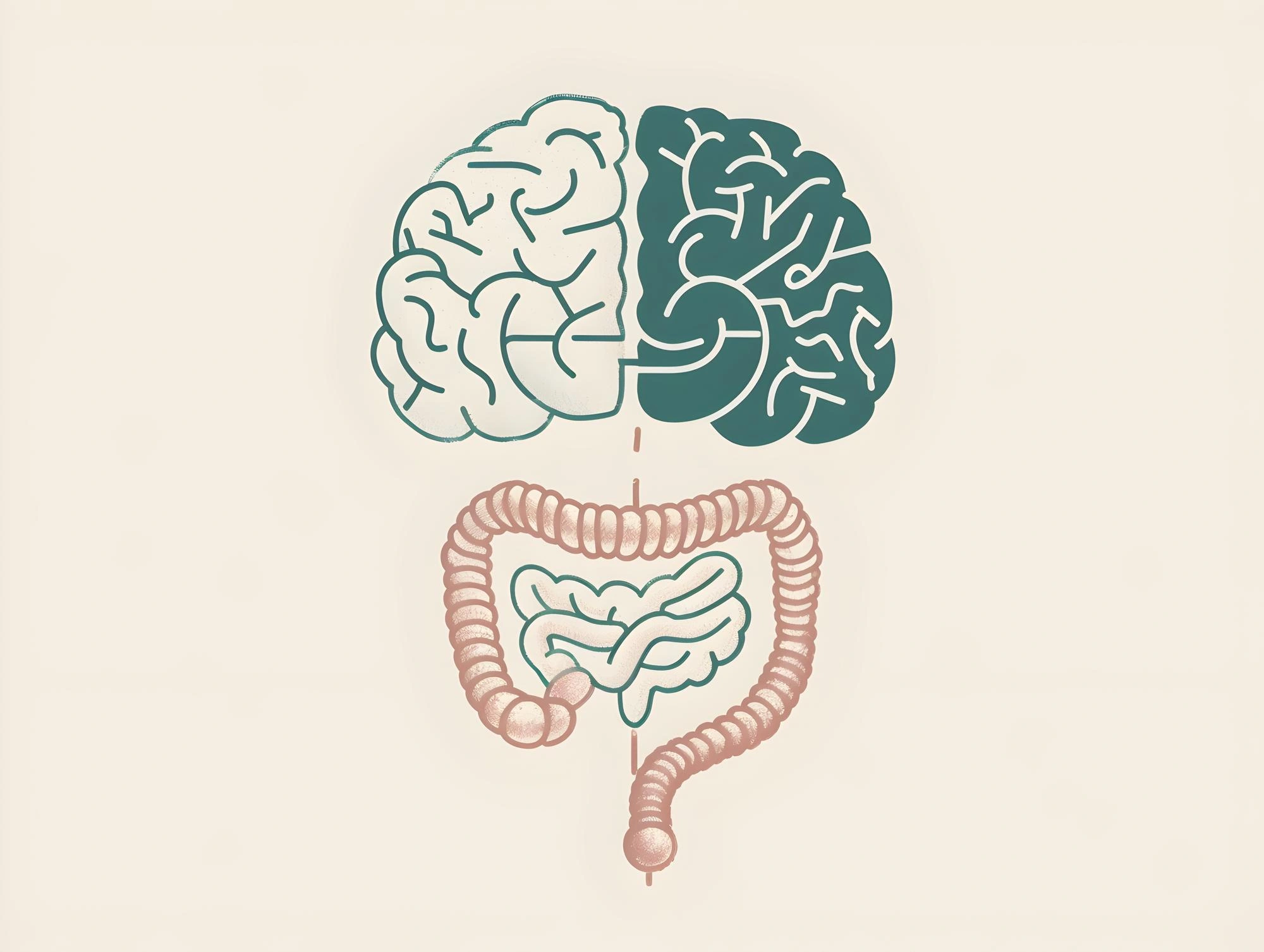
The Science Behind the Gut and Brain Connection
The human body is often viewed as a collection of separate systems, yet modern science is increasingly revealing that these systems are deeply interconnected. One of the most fascinating and complex of these relationships is the gut-brain axis. This bidirectional communication network links the central nervous system with the enteric nervous system, the vast web of neurons lining the gastrointestinal tract. Far from being a simple digestive tube, the gut is now recognized as a "second brain" that plays a critical role in our mental clarity, emotional stability, and overall physical health.
The Vagus Nerve
Centered in this link lies the vagus nerve - the body’s longest neural pathway. Running like a live wire, it shuttles messages between the gut and the base of the brain without pause. Though earlier thinking held that commands flowed mainly downward, evidence now suggests 80 to 90 percent of its fibers relay signals upward - from intestine to cranium. A steady pulse of inner cues travels along it, shaping reactions to pressure, altering choices before awareness catches up.
The Human Body's Tiny Organisms At Work
Inside the digestive tract live countless tiny life forms, grouped together under the term microbiome. Far from sitting idle, these microbes churn out chemicals that matter. It is through such activity that much of the body’s supply of neurotransmitters gets made - substances shaping how we feel. Take serotonin: roughly 95 percent of this compound, tied to calm and satisfaction, arises in the gut. Shifts in microbial harmony alter the messages reaching the brain, which may influence how steadily emotions hold up.
Inflammation And The Immune Gatekeeper
Inside the body, the gut holds the biggest role in immunity, standing like a checkpoint where outside elements meet inner functions. Irritation or swelling along its surface might spark widespread reactions within the defense system. Through circulation, molecules called cytokines - carrying inflammation signals - move freely, even passing into brain tissue. Their presence shifts how nerve cells behave once they arrive. Because of this pathway, stomach distress frequently shows up alongside cloudy thinking or low mental energy.
Short Chain Fatty Acids
When gut microbes digest plant-based fiber, they generate byproducts called short-chain fatty acids - like butyrate, propionate, and acetate. These substances help keep the shield between blood and brain strong, blocking unwanted elements from entering neural tissue. Beyond structural support, such compounds influence how much BDNF the body makes - a key protein involved in preserving current nerve cells while aiding the development of fresh connections. Through meals filled with varied fibrous foods, humans supply what bacteria need to make these protective agents thrive.
Stress Affects Gut Barrier Function
Communication flows both ways between the gut and the brain. While signals from the intestines shape brain activity, emotional strain reshapes gut function too. When pressure builds over time, the mind triggers the body's alert mode, disrupting normal food breakdown while weakening barriers in the bowel wall - often called leaky gut by researchers. With these defenses compromised, unwanted particles escape into circulation, sparking immune reactions that cloud thinking. Such shifts sustain a loop where physical changes deepen psychological discomfort.
The Gut's Hidden Network
Beginning far beyond the skull, a web of over one hundred million nerves stretches along the gut, spanning from throat to lower bowel. Though separate in location, this neural layer operates in close contact with the brain, never truly isolated. Sensations often called intuition - those tightnesses or flutterings amid stress or anticipation - trace back to these cells. Running digestion involves both movement and secretion, tasks handled locally yet adjusted through ongoing signals sent upward. Information flows continuously toward the central nervous system, shaping responses without conscious thought.
Nutrition and Mental Stability
Since the gut absorbs most nutrients, what we eat shapes brain function right away. Instead of relying on supplements, getting key vitamins and minerals through food supports the protective layers around nerves - especially fats such as Omega-3s. On top of that, eating fermented items introduces active microbes into digestion, which may shift how the body handles pressure and tension. Rather than depending on refined options, sticking with natural, intact ingredients gives mental performance stable energy while avoiding sudden shifts in emotion tied to rising and falling glucose levels.
Cultivating a Healthy Axis
Starting each day with movement shapes the microbes inside us in subtle but meaningful ways. Though often overlooked, water plays a quiet role in keeping digestion steady and signals flowing smoothly between organs. When thoughts slow down through stillness, the gut tends to follow, finding rhythm without force. Nighttime becomes a repair phase - cells reset, bacteria rebalance, all while consciousness fades. Seeing wellness as threads rather than separate parts helps decisions feel more connected. A calmer belly often means a sharper head, simply because they speak constantly, even when unnoticed.
Conclusion
The evolving science of the gut-brain connection shifts our perspective from treating isolated symptoms to supporting a unified biological network. True wellness emerges when we acknowledge the dialogue between our internal systems. By fostering a balanced internal environment through mindful nutrition and stress management, we empower the body's natural ability to maintain harmony. Recognizing this partnership allows us to take a proactive role in our health, ensuring that both the "first" and "second" brains work in concert to support a vibrant, focused, and resilient life.