

What Is Robotic Gastro Surgery in India and Who Is an Ideal Candidate?
Just a few years ago, if someone mentioned robotic surgery, most patients imagined something out of a sci-fi film, a machine operating on its own with barely any humans involved. That's not even close to what really happens. Robotic gastro surgery is very much guided by a surgeon the whole time, just with far more precision and control than the human hand alone can offer.
If you've been told you might need surgery for a stomach, colon, or digestive tract issue, chances are robotic surgery has come up in the conversation. So, what exactly is it, and more importantly, is it something you'd actually be a good fit for?
Robotic Gastro Surgery, Explained Simply
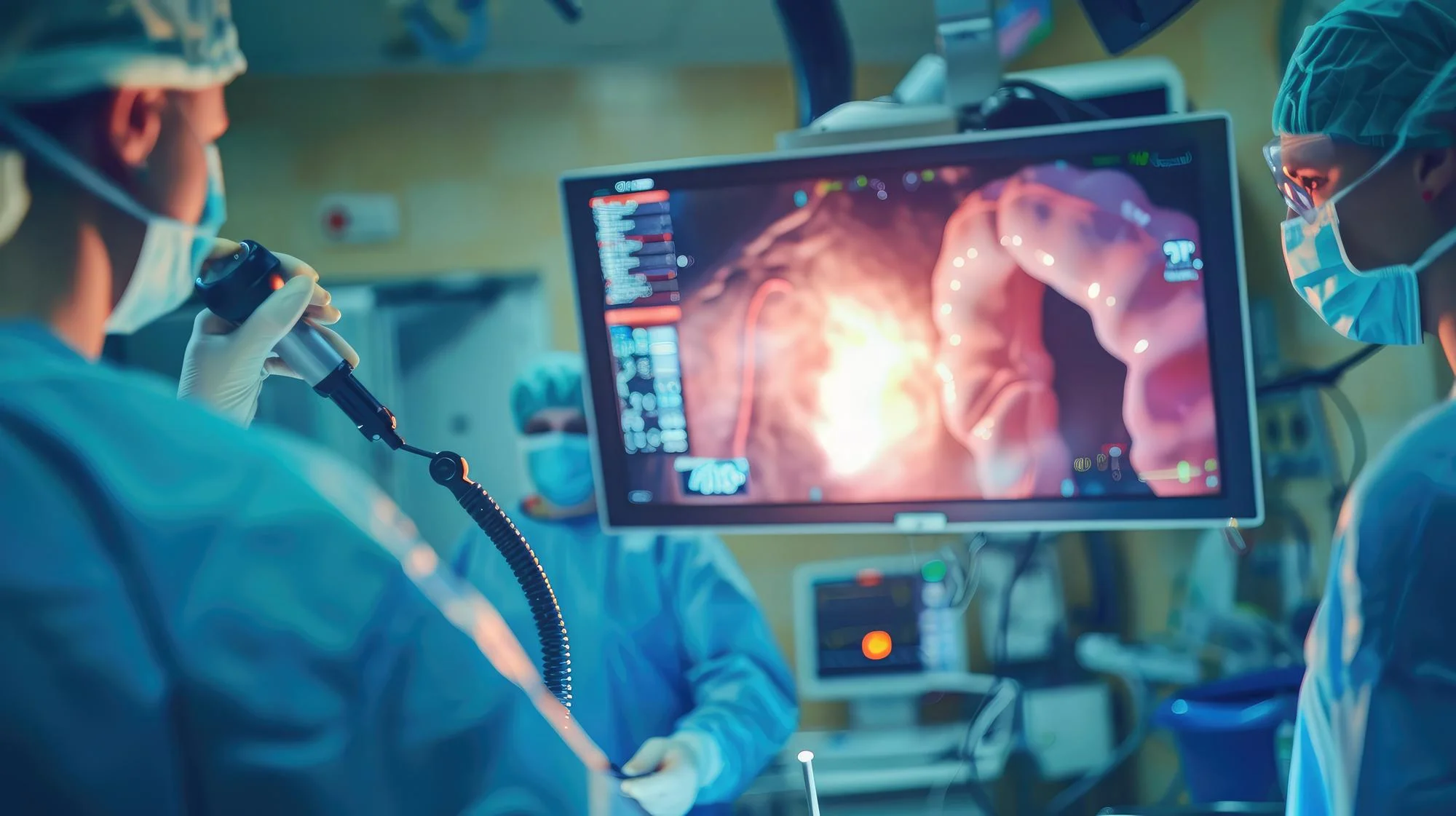
Robotic gastrointestinal surgery uses a robotic system, controlled entirely by the surgeon, to perform procedures on the stomach, intestines, colon, and related organs. The surgeon sits at a console nearby and moves the robotic arms in real time. Every cut, every stitch, is a direct result of the surgeon's hand movements, just translated into smaller, steadier motions inside the body.
The system offers a magnified 3D view of the surgical area, which is a big step up from what the naked eye or even standard laparoscopic cameras can show. That kind of visibility, paired with instruments that filter out natural hand tremors, means the surgeon can work with a level of accuracy that's hard to match with open or even traditional laparoscopic methods.
Why Surgeons and Patients Are Increasingly Choosing It
There's a reason robotic surgery has picked up so much momentum in India over the last several years. A few clear advantages keep coming up.
- Smaller incisions compared to open surgery, which means less scarring
- Reduced blood loss during the procedure
- Noticeably less pain after surgery for most patients
- Shorter hospital stays, often a day or two less than open surgery
- Faster return to normal activity and work
- Lower risk of certain complications, particularly in complex procedures
For surgeries involving delicate structures, like removing lymph nodes near major blood vessels or working around the pancreas, that added precision genuinely changes outcomes. It's not just a marketing point; it shows recovery times and complication rates.
What Kind of Procedures Fall Under This
Robotic gastro surgery isn't limited to one type of operation. It's used across a wide range of digestive tract conditions, including:
- Removal of part or all the esophagus, usually for cancer
- Gastric surgeries, including procedures for stomach cancer
- Colorectal surgery for colon or rectal conditions
- Hernia repairs
- Bariatric or weight loss surgery
- Treatment for inflammatory bowel disease that hasn't responded to medication
Some of the strongest evidence for robotic surgery actually comes from pancreatic and colorectal procedures, where the anatomy is tricky and precision really matters. In these cases, robotic assistance has been shown to lower the chances of needing to convert to open surgery midway, which is a meaningful advantage for the patient.
Who Actually Makes a Good Candidate
Not everyone needing digestive tract surgery ends up being a fit for the robotic approach, and that's worth being upfront about. A surgeon typically looks at several things before recommending it.
The type and stage of the condition matter first. Patients with GI cancers, severe acid reflux that hasn't improved with medication, chronic hernias, or inflammatory bowel disease that's stopped responding to treatment are often considered strong candidates. The exact location and size of the problem area also play a role, since some tumors or complications are simply better suited to one surgical approach over another.
Overall health matters too. Age alone doesn't rule someone out, but a patient's general fitness for anesthesia and surgery gets factored in. Previous abdominal surgeries, existing scar tissue, or certain underlying conditions can sometimes make the robotic approach less suitable, though this really does vary case by case.
And finally, patient preference counts. Once a surgeon has laid out the medical picture, some patients simply prefer shorter recovery and smaller scars that come with a robotic approach, and that preference is taken seriously as part of the decision.
Common Questions Patients Usually Ask
Is it actually safe? Yes, when performed by an experienced surgical team, robotic gastro surgery is considered safe and effective for the right candidates.
Does the robot operate on its own? No, not even close. The surgeon is in full control of every single movement throughout the procedure. The robotic arms simply translate the surgeon's hand motions into smaller, more precise movements inside the body.
Is it always better than laparoscopic surgery? Not necessarily for every case. For more complex procedures though, robotic surgery often provides better precision, flexibility, and visualization, which can genuinely improve outcomes.
Making the Right Choice for Your Situation
Robotic gastro surgery has come a long way in India, and today it's supported by skilled, well-trained surgical teams across the country. Still, it's not one size that fits all solutions. Whether it's the right fit really depends on your specific diagnosis, your overall health, and what your surgeon sees as the safest, most effective path forward.
If you're weighing options for a digestive tract condition and want to know whether robotic surgery could work for you, it's worth having that conversation directly with a specialist rather than going by general information alone. Dr. Santhosh Anand can walk you through your specific case, explain what's realistic for your condition, and help you understand whether robotic surgery is genuinely the right path for your recovery. Book a consultation to get clarity tailored to your health, not a generic answer.