

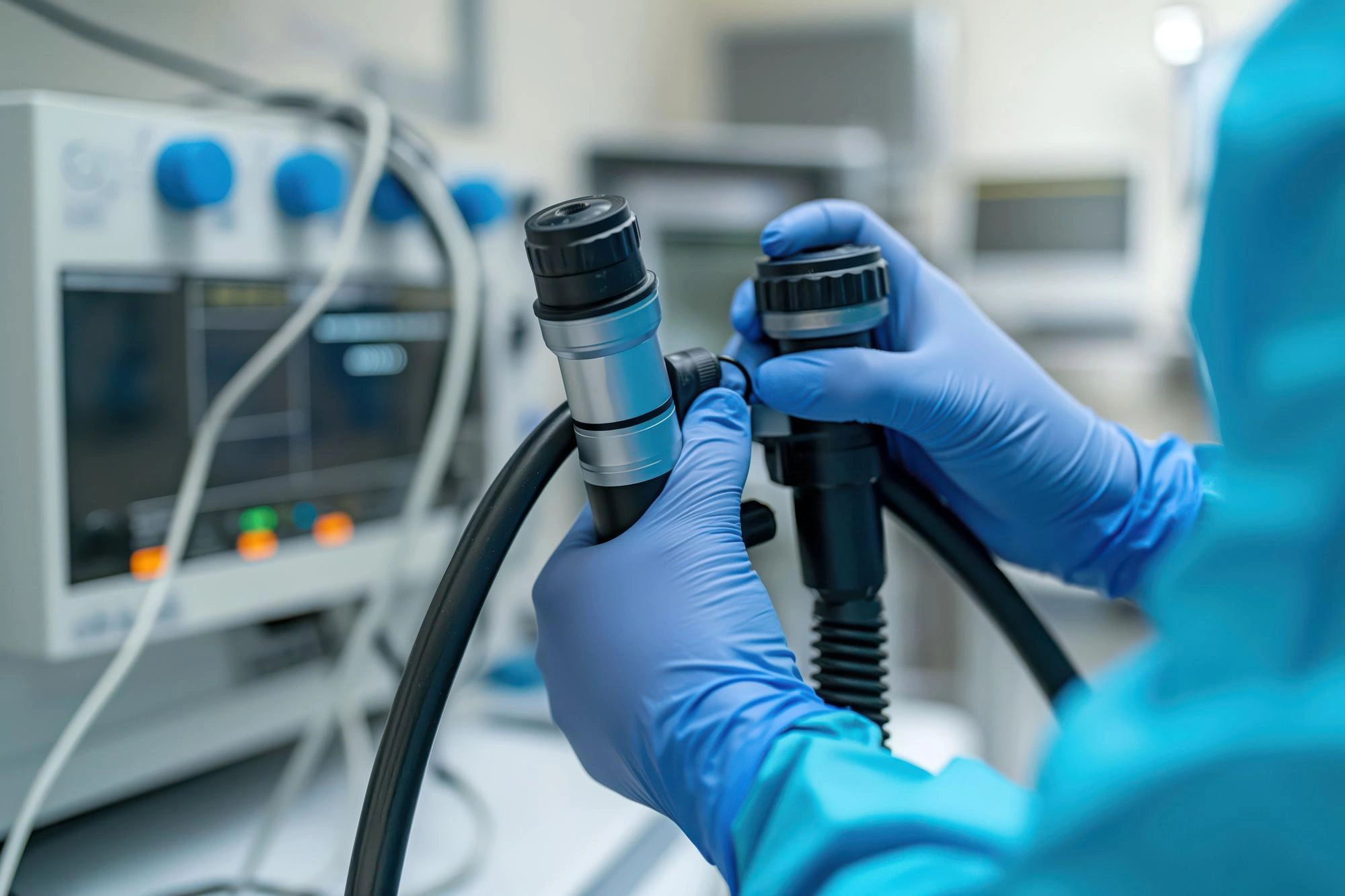
When Do You Need an Endoscopy? Symptoms, Procedure, and What to Expect
Most people overlook how digestion affects overall wellness over time. Yet spotting issues early often depends on clear internal visuals. A slender, bendable scope travels through the mouth instead of requiring cuts. Lighted at one tip, it sends back real-time pictures from deep inside. What shows up on screen helps identify problems in the food pipe, belly sack, or upper gut segment. Physicians rely on these views when sorting out persistent discomforts.
Seeing the Reason to Look Into Something
Most times, people decide on a test after noticing ongoing signs their body isn’t right. Because stomach troubles can show up in different areas, doctors check exactly where the pain occurs before suggesting an endoscopy or colonoscopy for digestive issues. Upper digestion problems usually lead to an endoscopy—this looks into the esophagus and stomach. Meanwhile, if symptoms point downward, closer to the intestines, a colonoscopy becomes more likely to check deeper inside the bowel.
Watch for early warning signs of gastrointestinal disorders that fail to improve after using common medications. Because such signals often guide medical decisions, they help physicians decide whether an internal checkup makes sense. A lingering issue could mean deeper problems needing expert review.
Endoscopy Reasons Based on Typical Symptoms
Most times, doctors suggest an endoscopy if ongoing issues disrupt normal routines. Such problems might be persistent stomach pain, unexplained weight loss, frequent heartburn, trouble swallowing, or constant nausea instead of typical discomfort.
- Persistent Heartburn: Pain behind the breastbone often lingers despite diet shifts or pills meant to help. Treatment sometimes fails to ease the burning sensation after repeated attempts.
- Unexplained Abdominal Pain: Sharp or dull pain in the upper abdomen that occurs regularly.
- Difficulty Swallowing: Food feels like it stops partway when going down. Not quite choking, yet not smooth either; movement slows where it should not. Something sticks around longer than expected, often in the neck or middle chest area.
- Chronic Nausea: Stomach discomfort lasting a long time might point to an internal issue rather than something caught from outside. This kind of nausea continues without obvious triggers like food poisoning or infection.
- Unexplained Weight Loss: Weight loss that happens without altering food intake or physical activity. Effortless thinning might be one of the early warning signs of gastrointestinal disorders at play.
- Gastrointestinal Bleeding: Throwing up blood or noticing it in bowel movements signals possible gut bleeding—a situation needing urgent care.
Procedure Details
Starting with preparation, patients often feel uneasy about what comes next. Yet understanding each phase tends to reduce worry significantly. Most times, it happens at a clinic where going home afterward is normal. Duration ranges from fifteen to thirty minutes. Though discomfort feels possible, clarity around the process brings calm instead.
During the Procedure
Early that morning, numbing spray goes into the back of the throat—this quiets reflexes when touched. A light medication eases tension for many people before things begin. Through the open mouth slides a slender scope, guided softly past the tongue and into the food pipe. Even with the instrument inside, air still moves freely in and out. Images travel instantly from a tiny lens to a screen nearby, showing tissue details clearly. What shows up might include redness, sores, or unusual spots along the lining.
Post-Procedure Recovery
Once finished, patients move to a recovery space for roughly sixty minutes as the calming medication fades. A mild scratchy throat or fullness in the belly may occur—these come from air pumped in to open the gut for viewing. Since drowsiness lingers, a companion must take charge of transportation afterward. Normal eating and daily routines usually resume within twenty-four hours.
Early Detection Saves Lives
Most people think scopes only spot issues—yet they fix some too. A physician might collect tiny pieces of tissue while looking inside, later checking those bits for signs like infection or abnormal cells. At times, simple fixes happen right there: narrowing in the food pipe gets gently stretched open, or growth removal occurs without needing another visit.
Early detection often stops small problems from becoming serious. When considering procedures due to stomach troubles, the aim stays clear—understanding what's wrong helps fix it. Spotting early warning signs of gastrointestinal disorders sooner means moving ahead before complications arise. Because timely choices shape long-term well-being, paying attention matters most.
Conclusion
Most people tolerate the procedure well, finding it straightforward and informative. Without relying on assumptions, doctors can see exactly where problems arise. When stomach issues refuse to fade, speaking with a healthcare provider opens access to precise answers. Clarity often follows once internal views become visible through this method.