

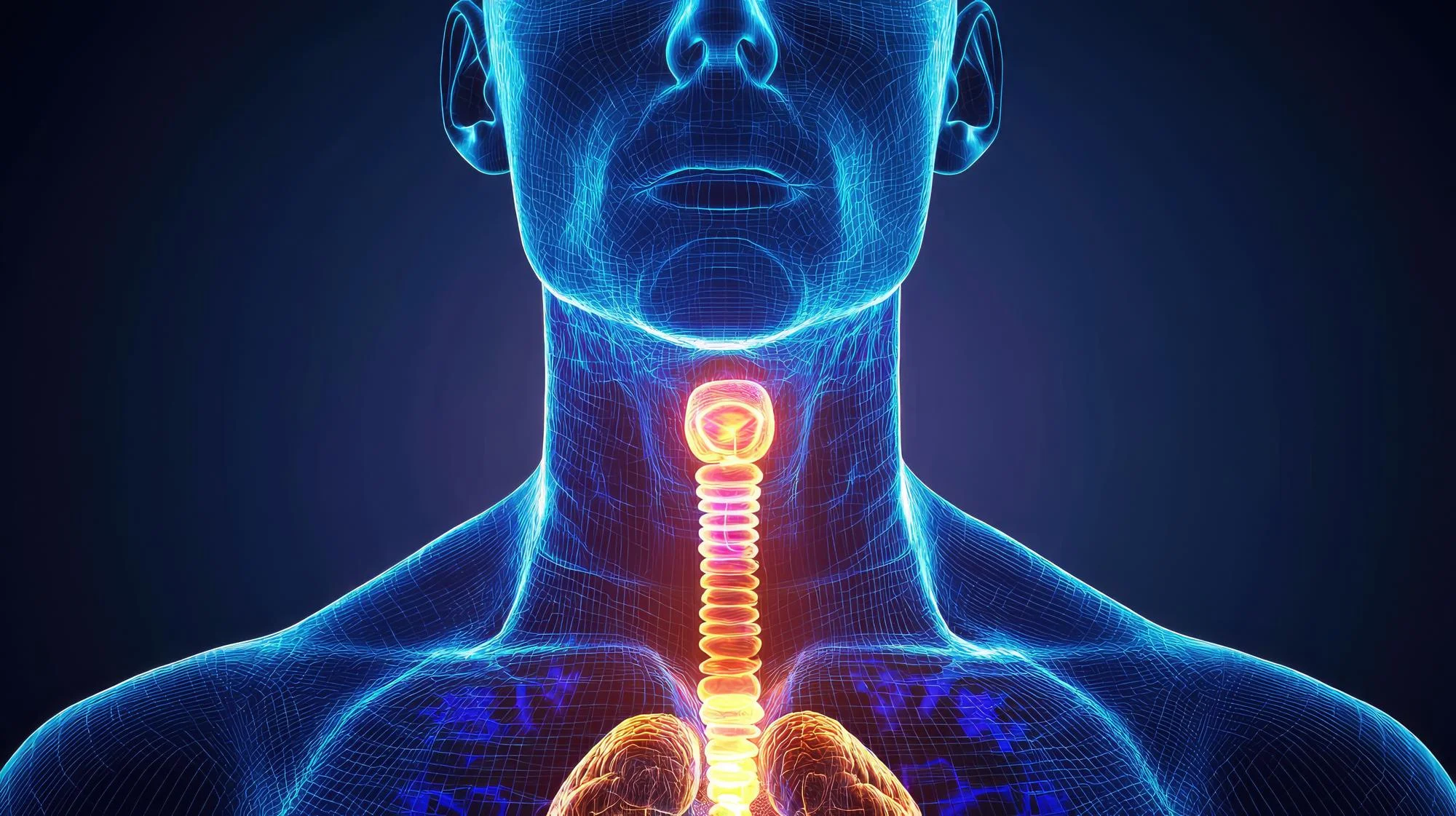
When Is Esophageal Surgery Needed for Severe GERD and Swallowing Disorders?
GERD is far more common than most people assume, affecting up to 30 percent of people in the Western world. Yet only a small fraction of them ever needs esophageal surgery. Most manage just fine with medication and a few diet changes. But for a certain group of patients, that occasional burning sensation turns into something far more persistent, medication stops working the way it used to, swallowing starts feeling like a task, and the question of surgery finally enters the conversation.
Interestingly, when surgery does become necessary, the outcomes tend to hold up remarkably well. Laparoscopic fundoplication remains the standard surgical treatment for GERD and has shown an 80 percent success rate even 20 years after the procedure. That's usually the point where patients start wondering, does this actually need an operation, or is there still another way around it?
Causes and Non-Surgical Management of Acid Reflux Causes and Non-Surgical Management of Acid Reflux
Before surgery ever enters the picture, it helps to understand what's actually causing the reflux in the first place. GERD typically develops when the lower esophageal sphincter, the valve between the stomach and esophagus, weakens or relaxes at the wrong times, letting acid flow back up. Common contributors include obesity, hiatal hernia, smoking, certain foods, and lying down soon after eating.
For most patients, this is manageable without surgery at all. Non-surgical approaches usually come first, and often work well:
- Proton pump inhibitors or H2 blockers to reduce acid production
- Weight management, since excess weight puts pressure on the stomach and worsens reflux
- Avoiding trigger foods like caffeine, alcohol, spicy or fatty meals
- Eating smaller meals and avoiding lying down right after eating
- Elevating the head of the bed to reduce nighttime reflux
Patients typically only move toward surgery once first line treatment with proton pump inhibitors fails, and it starts affecting quality of life, or when the risk of complications increases. Surgery is very much the next step, not the first one.
Understanding When an Endoscopy Is Necessary Understanding When an Endoscopy Is Necessary
A lot of patients live with reflux for years without ever getting a proper look inside the esophagus, and that's not always a problem, but there are specific moments when an endoscopy stops being optional.
An endoscopy becomes necessary when reflux symptoms persist despite medication, when swallowing becomes difficult or painful, or when there are warning signs like unexplained weight loss, vomiting blood, or persistent chest pain. It's also recommended for patients with long-standing GERD, since prolonged acid exposure can lead to changes in the esophageal lining that need to be monitored.
The procedure itself is straightforward; a thin scope with a camera allows the doctor to directly examine the esophagus for inflammation, narrowing, ulcers, or early changes like Barrett's esophagus. This single test often shapes the entire treatment path that follows, whether that's continued medication, dilation, or a conversation about surgery.
When Medication Alone Isn't Enough
A few situations where the surgical conversation typically starts:
- Reflux keeps bothering you even after months on the right dose of medication
- Regurgitation happens often, especially at night, and it's messing with your sleep
- A large hiatal hernia is playing a big part in the reflux
- The esophagus keeps getting inflamed again despite treatment
- Barrett's esophagus shows up, where years of acid exposure has changed the esophageal lining and raised future risk
None of these on their own automatically mean surgery is the answer. But together, or when they keep repeating despite proper treatment, they're usually the signal that it's time for a surgical opinion.
Swallowing Difficulty Changes the Picture
Dysphagia, or difficulty swallowing, adds another layer to the decision. Sometimes it comes from long-term acid damage, narrowing the esophagus. Other times it's tied to how the esophageal muscles are functioning or even shows up after certain earlier reflux surgeries.
Patients with swallowing trouble alongside GERD tend to describe food feeling like it's getting stuck, needing to drink water with every bite, or gradually avoiding certain foods altogether without really noticing the pattern until it's been going on for months. This combination, reflux plus swallowing issues, usually needs proper testing before any surgical decision, since operating on the wrong underlying cause can make things worse rather than better.
What Surgery Actually Involves
The most common procedure for severe GERD is fundoplication, where the upper part of the stomach is wrapped around the lower esophagus to reinforce the weakened valve and stop acid from flowing back up. This is largely done through small incisions using minimally invasive or robotic techniques today, which has made recovery considerably easier than the older open surgery approach.
For patients dealing with esophageal narrowing or strictures, dilation procedures may be used alongside or instead of fundoplication, gently widening the esophagus to ease swallowing. In more complex cases involving significant anatomical changes, other surgical options may be considered based on what the diagnostic tests reveal.
Who Tends to Benefit Most from Surgery
- Those with confirmed GERD who haven't responded well to long-term medication
- Patients with a large hiatal hernia contributing directly to their symptoms
- People who can't tolerate long-term medication due to side effects
- Patients showing early Barrett's changes where addressing the reflux matters for long-term risk
- Those with a combination of reflux and swallowing difficulty confirmed through proper testing
Age, overall health, and how well someone tolerates anesthesia also factor into the final decision, which is why this really needs an individual evaluation rather than a general checklist.
What to Expect Afterward
Recovery from minimally invasive esophageal surgery is usually quicker than most patients expect. Hospital stays tend to run a couple of days, with a gradual return to solid food over the following weeks, typically starting with liquids, moving to soft foods, and slowly building back up.
Mild swallowing difficulty right after surgery is common and usually settles down within a few weeks as swelling reduces. Most patients notice a real drop in reflux symptoms quickly, though full adjustment to eating normally again can take a few weeks of patience.
Getting the Right Evaluation
Persistent reflux or ongoing swallowing trouble isn't something to keep managing quietly in the background, especially once medication stops doing its job. The right next step depends entirely on what's happening in the esophagus, which only proper testing can reveal.
If GERD or swallowing difficulty has been part of your daily routine longer than it should be, Dr. Santhosh Anand at SA Gastro Cure can help assess what's really going on and whether esophageal surgery is the right path for your specific case. Book a consultation and get answers based on your condition, not general assumptions.