

How Endoscopy Helps Detect Digestive Disorders Before They Become Serious
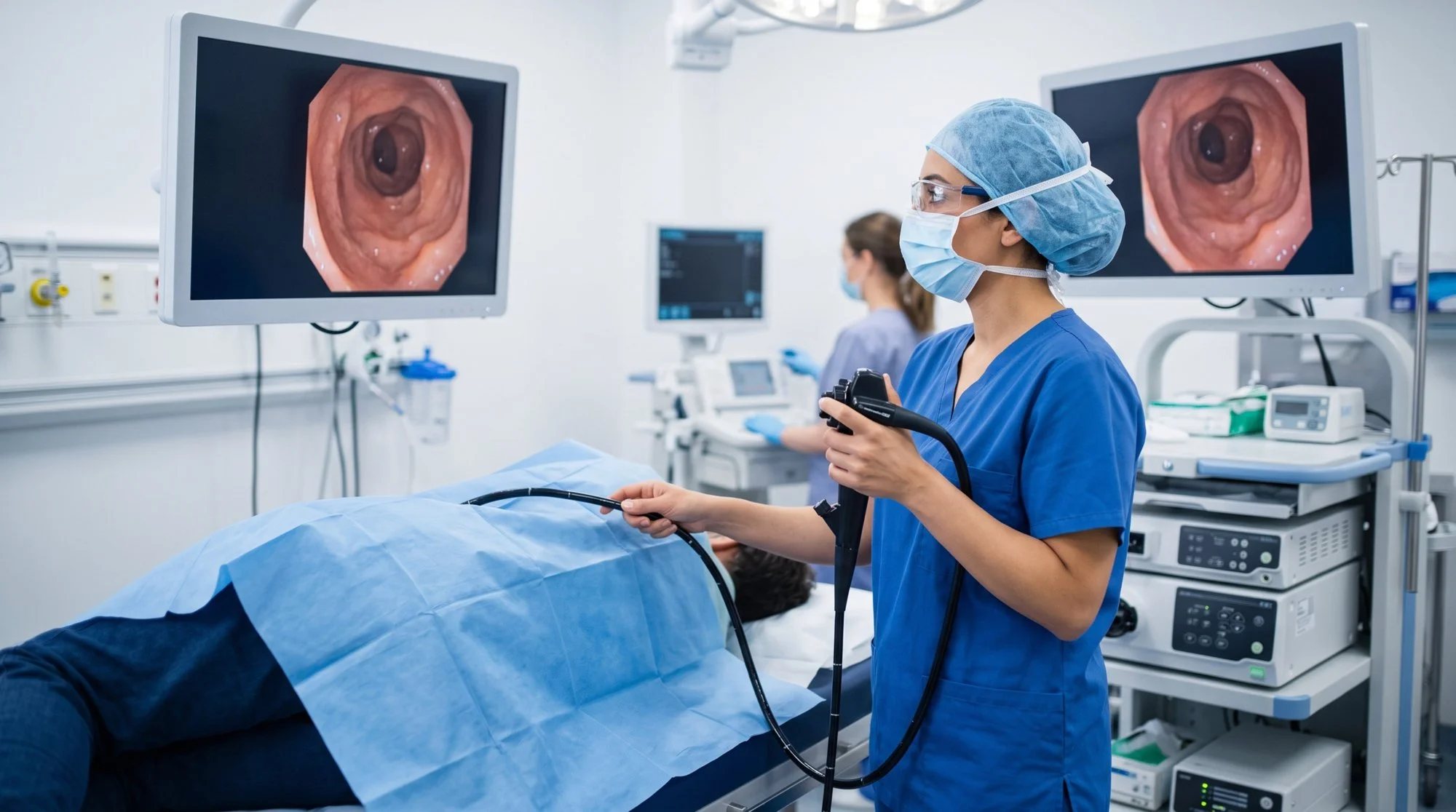
Digestive problems often begin quietly. A burning feeling after meals. Bloating that keeps returning. Stomach discomfort brushed aside as something eaten in a hurry. For some people, swallowing starts feeling unusual. Others notice repeated acidity, nausea, or unexplained stomach pain that refuses to settle. Most people wait. A few dietary changes happen. Home remedies get tried. Antacids become routine. Sometimes symptoms improve. Still, when digestive discomfort keeps returning, the body may be asking for a closer look. That is where endoscopy often becomes important. Though the word sounds intimidating at first, the purpose behind it is straightforward - helping doctors see what is happening inside the digestive tract before problems grow more serious. Put simply, an endoscopy is a procedure that allows doctors to look inside parts of the digestive system using a thin flexible tube fitted with a tiny camera. The camera sends images to a screen, helping identify irritation, swelling, ulcers, bleeding, growths, or structural changes that may not show up through symptoms alone. Most people worry about discomfort first. That concern is understandable. In reality, upper gastrointestinal endoscopy is usually quick, and patients are often given medication to make the experience more comfortable. More importantly, it provides answers. And answers matter when symptoms refuse to settle. Digestive symptoms overlap more than people expect. Acidity can feel similar whether the cause is simple reflux, inflammation, ulcers, or something more serious. Stomach pain does not always point clearly to one condition either. Even persistent bloating or nausea may have several possible explanations. That uncertainty creates delays. People assume symptoms are temporary. Weeks turn into months. Meanwhile, the underlying cause may continue progressing quietly. This becomes especially important with persistent acidity, unexplained pain, repeated vomiting, swallowing difficulty, bleeding, or unexpected weight loss. Recognizing the early warning signs of digestive disorders often helps people seek evaluation before symptoms become harder to ignore. Not everyone with indigestion needs one. Still, there are situations where doctors may advise it. Persistent reflux symptoms. Difficulty swallowing. Stomach pain that keeps returning. Vomiting blood. Black-colored stools. Ongoing nausea. Unexplained weight loss. Chronic acidity that no longer responds to treatment. These situations often shape when you may need an endoscopy. Sometimes age and medical history influence the decision too. The goal is not simply to investigate symptoms. The goal is to understand what lies beneath them. Quite a lot, actually. One major benefit of endoscopy is its ability to identify problems before they worsen. Inflammation caused by acid reflux can be detected early. Stomach ulcers may be identified before complications develop. Infections, irritation, narrowing of the food pipe, or small tissue changes can also become visible. Certain conditions develop gradually. Barrett’s esophagus, for example, sometimes develops after years of untreated acid reflux. Small tissue changes inside the stomach or food pipe occasionally begin long before symptoms feel severe. Without proper evaluation, these changes may remain unnoticed. Endoscopy helps doctors spot them sooner. That timing often matters. One reason doctors value endoscopy is its role in detecting more serious digestive conditions early. Small growths, abnormal tissue changes, suspicious ulcers, or bleeding areas sometimes become visible during evaluation. Biopsies - tiny tissue samples - can also be taken if needed. This matters particularly when evaluating the different types of gastrointestinal cancers, since early stages may cause only subtle symptoms or no obvious symptoms at all. The earlier something becomes visible, the greater the chance of acting before problems progress. Still, most endoscopies do not lead to a cancer diagnosis. More often, they reveal manageable conditions. That reassurance alone helps many people. Finding the problem changes treatment. Repeated acidity may need more than temporary relief. Stomach ulcers require different management than reflux disease. Infections demand specific treatment plans. Without clarity, treatment often becomes guesswork. Endoscopy helps remove that uncertainty. Doctors can tailor treatment for common digestive disorders based on what is actually happening inside rather than symptoms alone. Sometimes medicines change. Sometimes lifestyle adjustments matter more. Other situations may need follow-up monitoring. The right treatment usually starts with the right diagnosis. People often postpone digestive evaluation for understandable reasons. Life gets busy. Symptoms improve temporarily. Fear around procedures creates hesitation. Yet persistent digestive issues rarely deserve endless guessing. Small problems occasionally become larger ones simply because they were ignored for too long. Difficulty swallowing becomes worse. Reflux damages tissue further. Ulcers deepen. Nutritional problems develop. Not every symptom signals danger. Still, repeated symptoms deserve attention. Especially when the body keeps repeating the same message. Digestive disorders often develop slowly, which makes them easier to ignore in the beginning. Acidity, bloating, stomach pain, swallowing difficulty, or nausea may seem temporary at first, yet persistent symptoms sometimes deserve a closer look. Endoscopy helps doctors understand what symptoms alone cannot always explain, often identifying problems before they become harder to manage. As Dr. Santosh Anand frequently emphasizes, early evaluation matters because digestive conditions tend to respond better when identified sooner rather than later. Whether used as a diagnostic endoscopy for digestive problems or to investigate persistent symptoms, the procedure often offers something many patients need most - clarity.What Exactly Is An Endoscopy?
Why Symptoms Alone Sometimes Are Not Enough?
When Doctors Usually Recommend Endoscopy
What Can Endoscopy Detect Early?
Helping Detect Serious Conditions Earlier
It Also Helps Guide Treatment
Why Delaying Investigation Sometimes Backfires?
Conclusion