

When Is Robotic Surgery Recommended for Gastrointestinal Conditions?
Surgical techniques have evolved dramatically over the past few decades. For generations, traditional open surgery was the primary method for treating complex abdominal and gastrointestinal issues. While effective, open procedures required large incisions, prolonged hospital stays, and lengthy recovery periods. For many patients today, understanding robotic surgery vs traditional surgery is the first step toward making a confident, informed treatment decision.
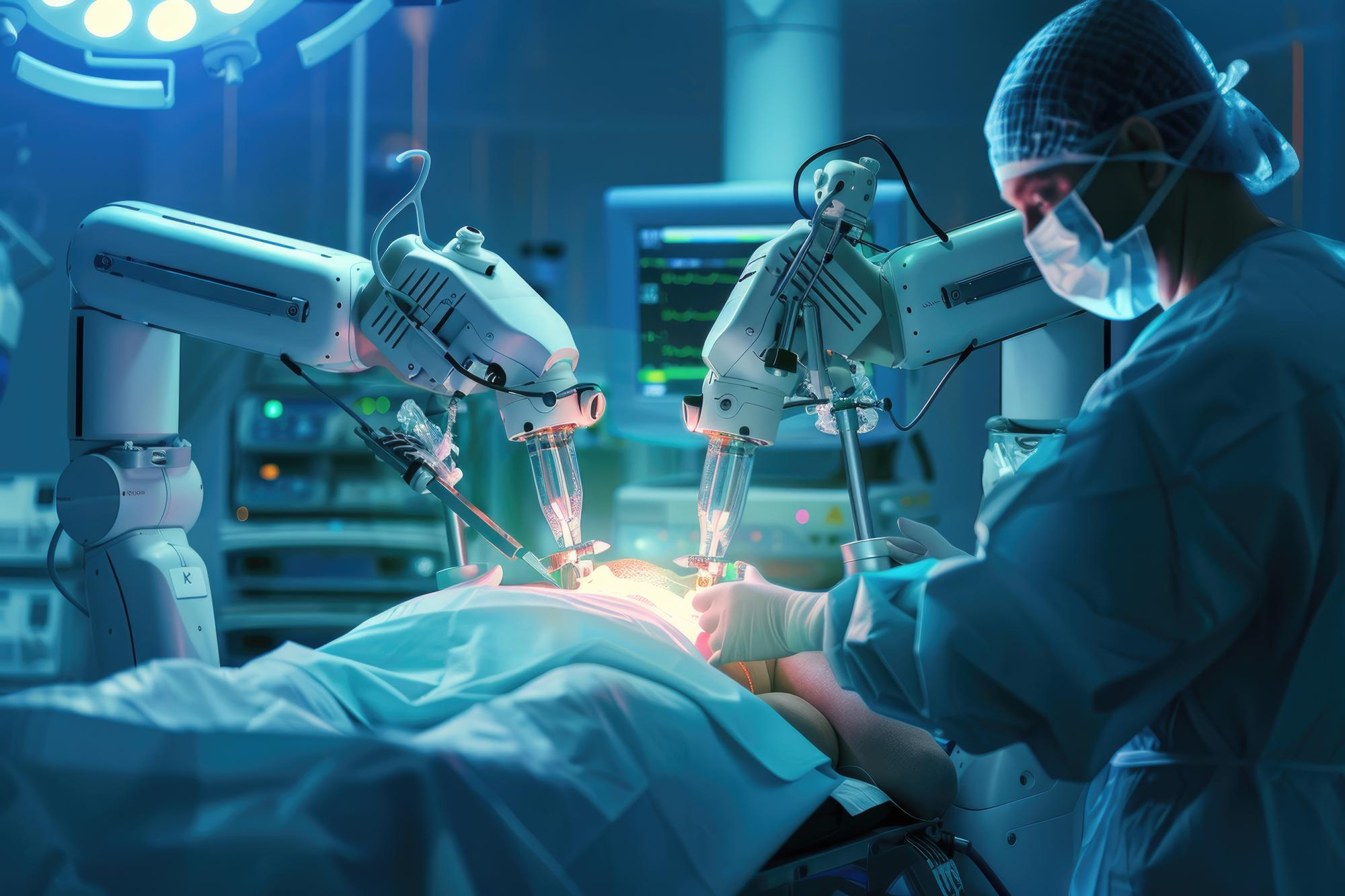
The introduction of minimally invasive GI surgery through laparoscopic techniques marked a major shift forward, reducing scar size and patient discomfort. Today, robotic-assisted surgery represents the next major advancement in gastrointestinal care. Combining high-definition visualization with microscopic mechanical precision, robotic systems allow surgeons to perform complex procedures through tiny incisions with unmatched control.
Understanding robotic systems in gastrointestinal care
A common misconception about robotic surgery is that an automated machine performs the procedure independently. In reality, the robotic system functions purely as an advanced extension of the surgeon's own hands.
The operating surgeon sits at a console near the patient, viewing a high-definition, three-dimensional image of the internal organs. Using handheld controls, the surgeon directs robotic arms equipped with specialized surgical instruments. These instruments possess wrist-like joints that articulate with greater flexibility and range of motion than human hands, allowing for remarkable precision within tight abdominal spaces.
Evolution from conventional laparoscopy
Laparoscopic surgery introduced the concept of operating through small keyhole incisions using long, rigid tools and a two-dimensional monitor. While laparoscopic methods represented a major improvement over open operations, they came with spatial limitations. Rigid tools do not bend, and two-dimensional views lack natural depth perception.
Robotic systems overcome these technical limitations by offering three-dimensional depth, multi-fold magnification, and tremor-filtration technology. These features enable surgeons to navigate delicate nerve networks, blood vessels, and intricate digestive tissues with exceptional stability and accuracy. It is precisely this combination of stable, magnified visualization and fine articulated movement that explains why robotic gastro surgery improves precision so significantly compared to earlier techniques.
Key advantages of robotic techniques for digestive health
When evaluating treatment options, understanding the specific benefits of robotic technology helps clarify why it is often recommended for complex digestive conditions:
- Enhanced maneuverability within deep anatomical structures such as the pelvis and gastroesophageal junction.
- Superior visualization that clearly distinguishes healthy tissue from diseased areas, blood vessels, and tiny nerves.
- Significant reduction in blood loss during intricate dissections.
- Minimal scarring due to keyhole entry points rather than long abdominal incisions.
- Faster return of natural bowel function following digestive tract reconstruction.
- Reduced overall post-operative discomfort and shorter hospital stays.
Complex stomach and esophageal disorders
The upper gastrointestinal tract presents unique anatomical challenges. Conditions affecting the esophagus and stomach often require operating near critical chest and abdominal organs.
Robotic assistance is frequently recommended for treating complex acid reflux conditions, such as severe hiatus hernias and achalasia, through procedures like Nissen fundoplication or Heller myotomy. Additionally, for stomach cancer requiring partial or total gastrectomy, the high-definition vision allows for meticulous lymph node dissection and precise reconstruction of the digestive pathway.
Advanced colorectal conditions
The deep pelvic space poses spatial challenges during colorectal surgery, as it is tightly bounded by pelvic bones and filled with delicate nerve pathways responsible for bladder and bowel control.
Robotic surgery is widely recognized as a gold standard for treating rectal cancer, severe diverticulitis, and complex inflammatory bowel disease like Crohn's disease or ulcerative colitis. The articulated instruments allow the surgeon to work smoothly in tight spaces, preserving surrounding nerves while cleanly removing diseased intestinal segments.
HPB surgery involving liver, pancreas, and gallbladder
Hepato-pancreato-biliary (HPB) procedures involve some of the most delicate tissue dissections in general surgery. The liver and pancreas are densely surrounded by major blood vessels, making precision vital.
Robotic technology is increasingly recommended for complex gallbladder removals, liver resections, and pancreatic operations. The tremor-free stability and enhanced magnification assist in delicate suturing, protecting vital bile ducts and blood vessels while ensuring complete removal of targeted lesions or tumors.
Abdominal wall and complex hernia repairs
Hernias occur when internal tissue or organs push through a weakness in the surrounding muscle wall. While simple hernias are routinely repaired with basic techniques, recurrent or large ventral hernias require complex reconstruction.
Robotic-assisted hernia repair enables surgeons to place supportive mesh deep within the muscle layers of the abdominal wall through minimal entry points. This approach restores structural strength to the core muscles while reducing the risk of post-operative pain or wound complications.
Factors determining candidate suitability
Although robotic surgery offers broad advantages, it is not required or suitable for every single gastrointestinal issue. A surgical recommendation depends on several clinical variables:
- The exact location, size, and stage of the gastrointestinal disease or tumor.
- Overall physical health, heart function, and lung capacity of the patient.
- Previous abdominal surgeries that may have left extensive scar tissue.
- Specific anatomical considerations unique to the individual.
A comprehensive evaluation by an experienced specialist such as Dr Santhosh Anand determines whether a robotic, laparoscopic, or traditional open approach offers the safest and most effective outcome.
Preparing for a robotic procedure
When a patient is cleared for robotic gastrointestinal surgery, preparation follows structured medical guidelines. Pre-operative evaluations include routine blood work, imaging studies, and a thorough review of medical history.
Patients receive detailed instructions regarding dietary adjustments before surgery, medication management, and post-operative recovery expectations. Understanding the steps involved builds confidence and ensures a smooth transition from surgery to active rehabilitation.
The recovery process and expected outcomes
Recovery following robotic-assisted procedures is typically smoother and faster than traditional surgical routes. Most patients experience noticeably less post-operative discomfort, reducing the need for strong pain medications.
Small keyhole incisions heal quickly, allowing individuals to resume light daily activities, walking, and normal dietary habits much sooner. Regular follow-up consultations ensure that internal healing progresses normally and that long-term digestive health remains on track.
Strategic Clinical Expertise in Modern Surgery
Choosing the right surgical approach comes down to accurate diagnosis, advanced technology, and personalized care. As robotic gastro surgery in India continues to expand access to safer, more precise digestive care, choosing an experienced surgeon matters more than ever. Dr Santhosh Anand brings extensive expertise in advanced gastrointestinal surgery and robotic-assisted procedures, helping patients navigate complex digestive conditions with confidence. Reach out to schedule a consultation and learn more about tailored treatment options.