

Trusted Robotic Surgery for Pancreatic Diseases
Our expert surgical team offers advanced robotic treatment for pancreatic disorders, combining precision, safety, and compassionate care to help you recover faster and live healthier.

Trusted Robotic Surgery for Pancreatic Diseases
Our expert surgical team offers advanced robotic treatment for pancreatic disorders, combining precision, safety, and compassionate care to help you recover faster and live healthier.
Trusted Robotic Surgery for Pancreatic Diseases
Our expert surgical team offers advanced robotic treatment for pancreatic disorders, combining precision, safety, and compassionate care to help you recover faster and live healthier.
Skilled Hands.Advanced Robotic Precision.
Dr. Santhosh Anand MS., (AIIMS) MCh., (SGE- JIPMER).,Advanced Robotic Training(Pittsburg)
robotic GI and HPB surgeonDr. Santhosh Anand K S is a distinguished Laparoscopic, Robotic, and HPB Cancer Surgeon with advanced training in minimally invasive gastrointestinal surgery. After completing his surgical training at AIIMS, New Delhi, and JIPMER, Puducherry, he further earned the prestigious MRCS (Glasgow) and underwent advanced robotic surgery training in Pittsburgh, USA.
He began his career at Narayana Medical College and Hospital, later served as a Consultant GI and HPB Surgeon at Dharan Hospital, Salem, and subsequently worked at the renowned GEM Hospital, Coimbatore, gaining extensive experience in complex gastrointestinal and hepatopancreatobiliary surgeries.
Read More
Precise Care for Every Pancreatic Condition
Our pancreas clinic brings together specialist surgeons trained in advanced robotic techniques to treat conditions of the pancreas, liver, stomach, and digestive tract. Robotic-assisted surgery allows our team to operate through small incisions with greater precision and control, which can mean less pain, less blood loss, and a quicker return to daily life. From diagnosis to recovery, every treatment plan is built around the individual patient, combining skilled surgical hands with careful pre- and post-operative care.
Robotic Pancreatic Surgery
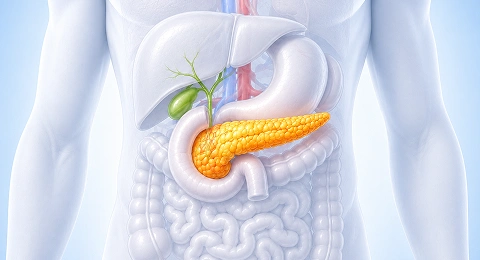
The pancreas sits deep in the abdomen, surrounded by major blood vessels, making it one of the hardest organs to operate on safely. A robotic system gives the surgeon wristed instruments with a range of motion beyond the human hand, guided by a magnified 3D view, allowing fine, controlled movement around vessels and delicate tissue.
Read More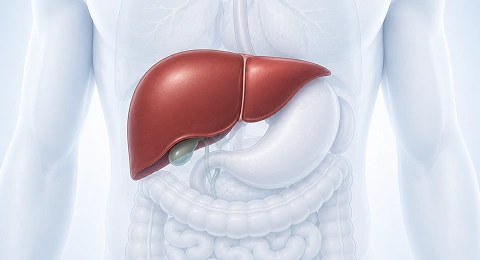
Robotic Liver Surgery
The liver can regenerate itself but is crisscrossed by a complex network of vessels and bile ducts. A magnified 3D view combined with wristed instruments helps surgeons identify and preserve important vessels while removing only the diseased portion.
Read More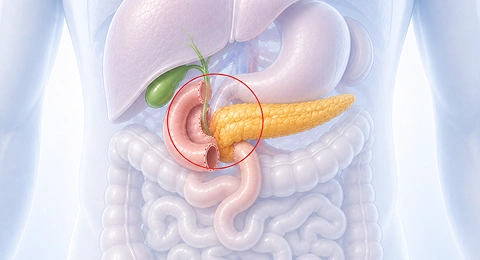
Robotic Whipple's Procedure
Medically known as a pancreaticoduodenectomy, this operation removes the head of the pancreas, the duodenum, the gallbladder, and part of the bile duct, then reconnects the remaining organs to restore normal digestion.
Read More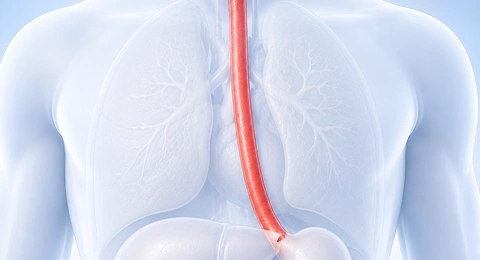
Robotic Esophagectomy
The esophagus runs through the chest close to the heart, lungs, and major vessels. A robotic approach frees the esophagus from surrounding structures through several small incisions instead of large chest and abdominal openings.
Read More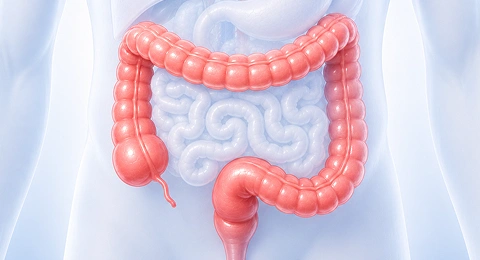
Robotic Colorectal Surgery
The rectum sits within a narrow bony space surrounded by nerves controlling bladder and sexual function. Magnified 3D vision and wristed instruments maneuver in this confined space more easily than rigid laparoscopic tools.
Read More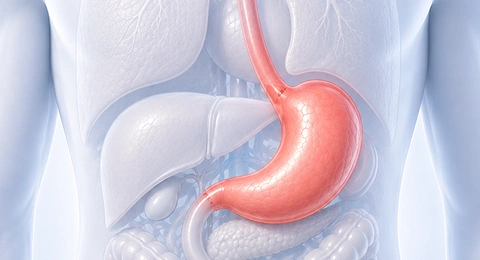
Robotic Gastrectomy
The stomach sits close to major blood vessels and the pancreas, so this surgery requires both precision and thorough dissection. A robotic approach separates the stomach and its lymph nodes from surrounding structures with accuracy.
Read More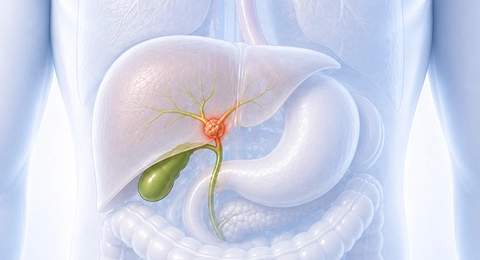
Robotic Surgery for Hilar Cholangiocarcinoma
Also known as a Klatskin tumor, this cancer arises where the bile ducts exit the liver and major vessels converge, requiring removal of the affected bile duct together with the adjoining liver lobe and careful reconstruction.
Read More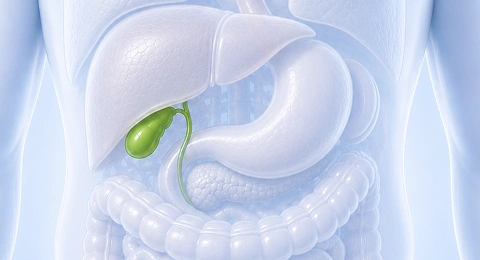
Robotic Gall Bladder Surgery
The gallbladder stores bile and is prone to forming gallstones that cause pain, inflammation, or blockages. The robotic system provides a magnified 3D view to clearly identify the gallbladder's anatomy before safe removal.
Read More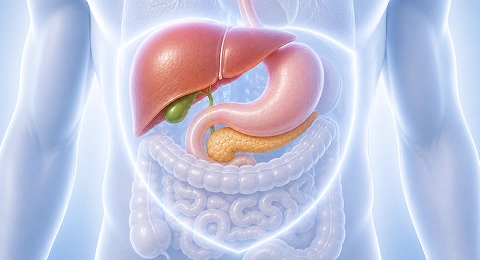
Organ Preserving Surgeries
Rather than removing more tissue than necessary, this philosophy designs operations to remove only diseased tissue while protecting the healthy tissue, blood supply, and nerves around it.
Read More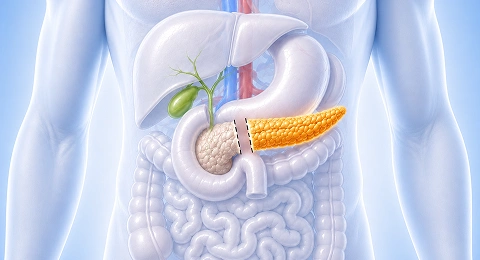
Distal Pancreatectomy
When disease is confined to the body or tail of the pancreas, it can often be treated by removing just this portion rather than the more extensive Whipple's procedure used for problems in the head.
Read More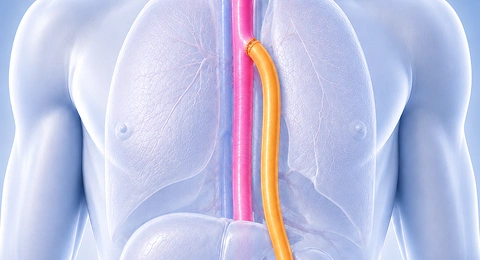
Esophageal Bypass for Corrosive Ingestion
When strictures from corrosive injury are very long, involve multiple segments, or keep recurring despite dilation, surgeons create a new passage for food rather than removing the extensively scarred esophagus.
Read More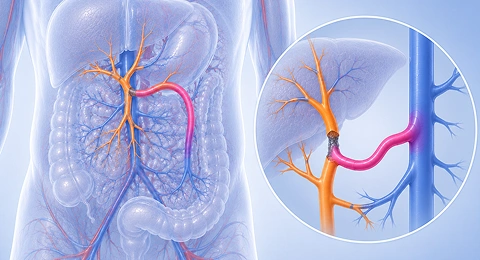
Shunt Surgeries for Portal Hypertension
The portal vein carries blood from the intestines and spleen to the liver. Shunt surgery connects the portal venous system to another, lower-pressure vein, redirecting blood flow and relieving the pressure that drives variceal bleeding.
Read MoreRobotic Procedures
Patients
Successful Surgeries
Years of Experience
Stories That Inspire Recovery

Leo eleifend velit sit faucibus massa in pellentesque erat nisi. Bibendum etiam semper tempus ac lectus. Nisl mauris dui pulvinar nisl sed. Sit erat ultrices donec enim facilisis rhoncus facilisi. Dui tincidunt eu iaculis ultrices maecenas nunc in ac blandit. Phasellus in consectetur.
Ram kumarChennai
Nullam imperdiet donec ultricies felis. Cursus hac commo do molestie egestas ultrices adipiscing risus. Facilisis ele ifend ut ornare egestas condimentum nisl. Sodales tortor arcu commodo et adipiscing enim. Vel feugiat dignissim ipsum consequat diam vitae. Tempor.
Piriya ShankarSalem
Leo eleifend velit sit faucibus massa in pellentesque erat nisi. Bibendum etiam semper tempus ac lectus. Nisl mauris dui pulvinar nisl sed. Sit erat ultrices donec enim facilisis rhoncus facilisi. Dui tincidunt eu iaculis ultrices maecenas nunc in ac blandit. Phasellus in consectetur.
Antony SunilTrichy
Leo eleifend velit sit faucibus massa in pellentesque erat nisi. Bibendum etiam semper tempus ac lectus. Nisl mauris dui pulvinar nisl sed. Sit erat ultrices donec enim facilisis rhoncus facilisi. Dui tincidunt eu iaculis ultrices maecenas nunc in ac blandit. Phasellus in consectetur.
Antony SunilTrichy
Advanced Robotic Technology Trusted Surgical Outcomes
We combine cutting-edge robotic technology with world-class surgical expertise to deliver safe, precise, and effective pancreatic care. Our advanced facilities support accurate diagnosis, minimally invasive procedures, and faster recovery, so every patient receives a high standard of treatment. Equipped with modern robotic systems and dependable surgical infrastructure, our team manages even complex pancreatic and digestive procedures with confidence. Every part of our approach is designed to protect patient safety, improve clinical outcomes, and support a smoother, more comfortable recovery journey after surgery.

Robotic-Assisted Surgery
Greater precision and control through minimally invasive techniques that reduce trauma to the body.

Multidisciplinary Expert Team
Surgeons and specialists working together to deliver coordinated, patient-centred treatment plans.

Modern Operating Theatres
Fully equipped with advanced surgical technology built for complex pancreatic procedures.

Enhanced Safety Protocols
Infrastructure and processes designed to protect patient safety and improve surgical outcomes.

Your Guide to Wellness and Recovery
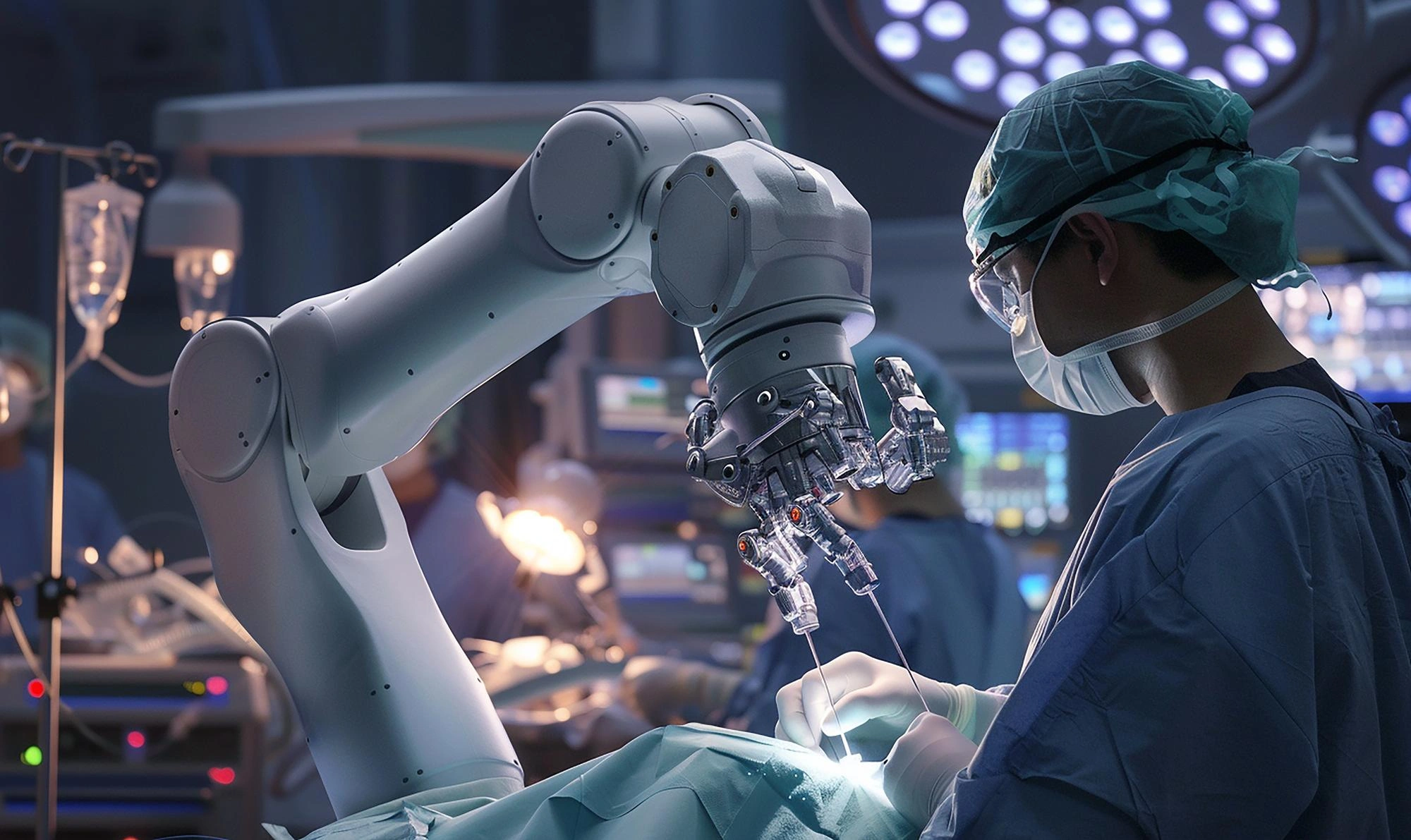
What Is Robotic Surgery? A Simple Guide for Patients
If your doctor has recommended robotic surgery, it's natural to have questions. Here is a simple explanation of what it means and why it's used.
Read More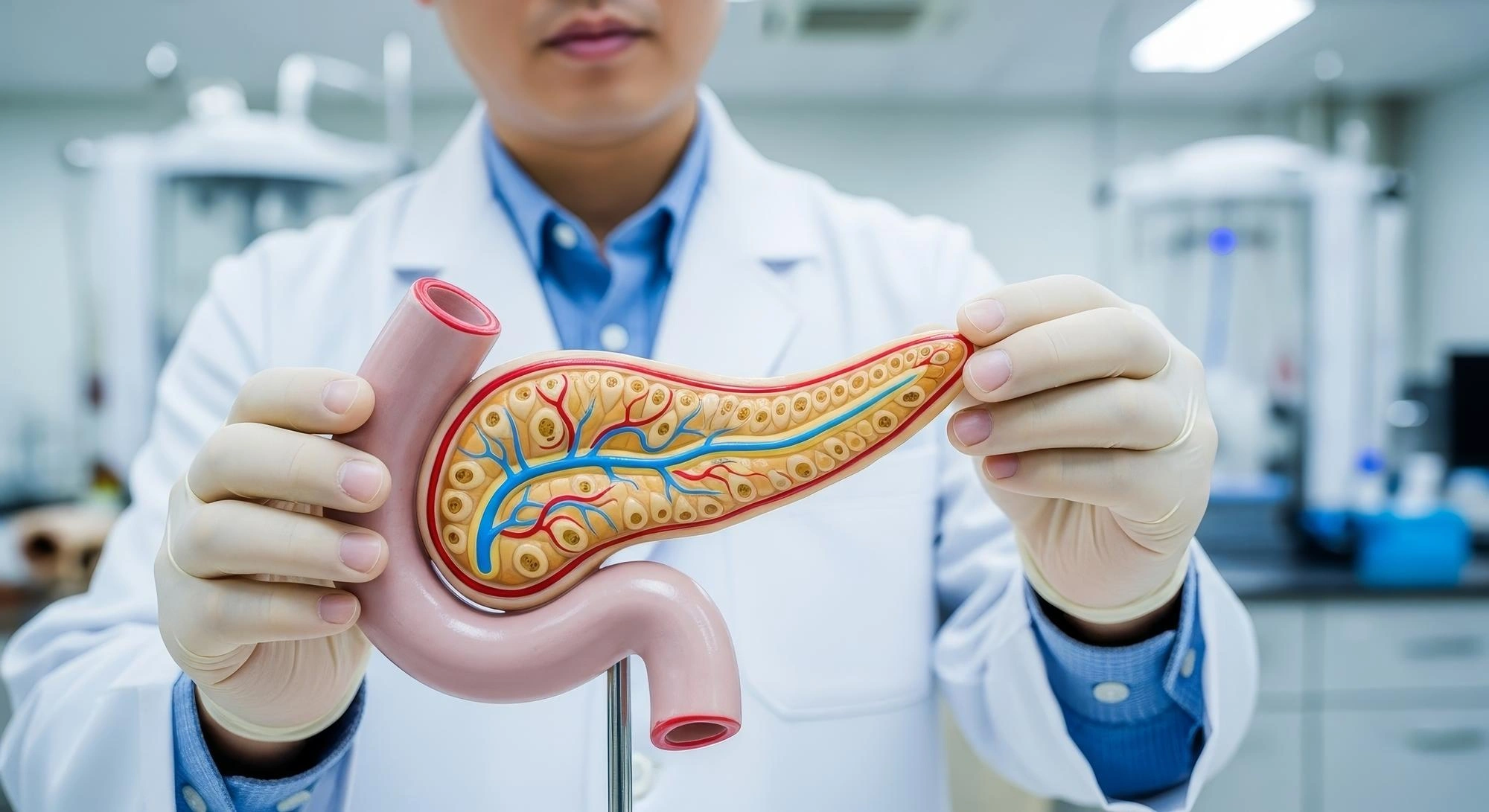
Pancreatic Surgery: What Patients Should Know
Hearing that you may need pancreatic surgery can be frightening, especially since the pancreas is a less familiar organ than the heart or lungs. Understanding what the pancreas does and why surgery may be needed can make the process feel less overwhelming.
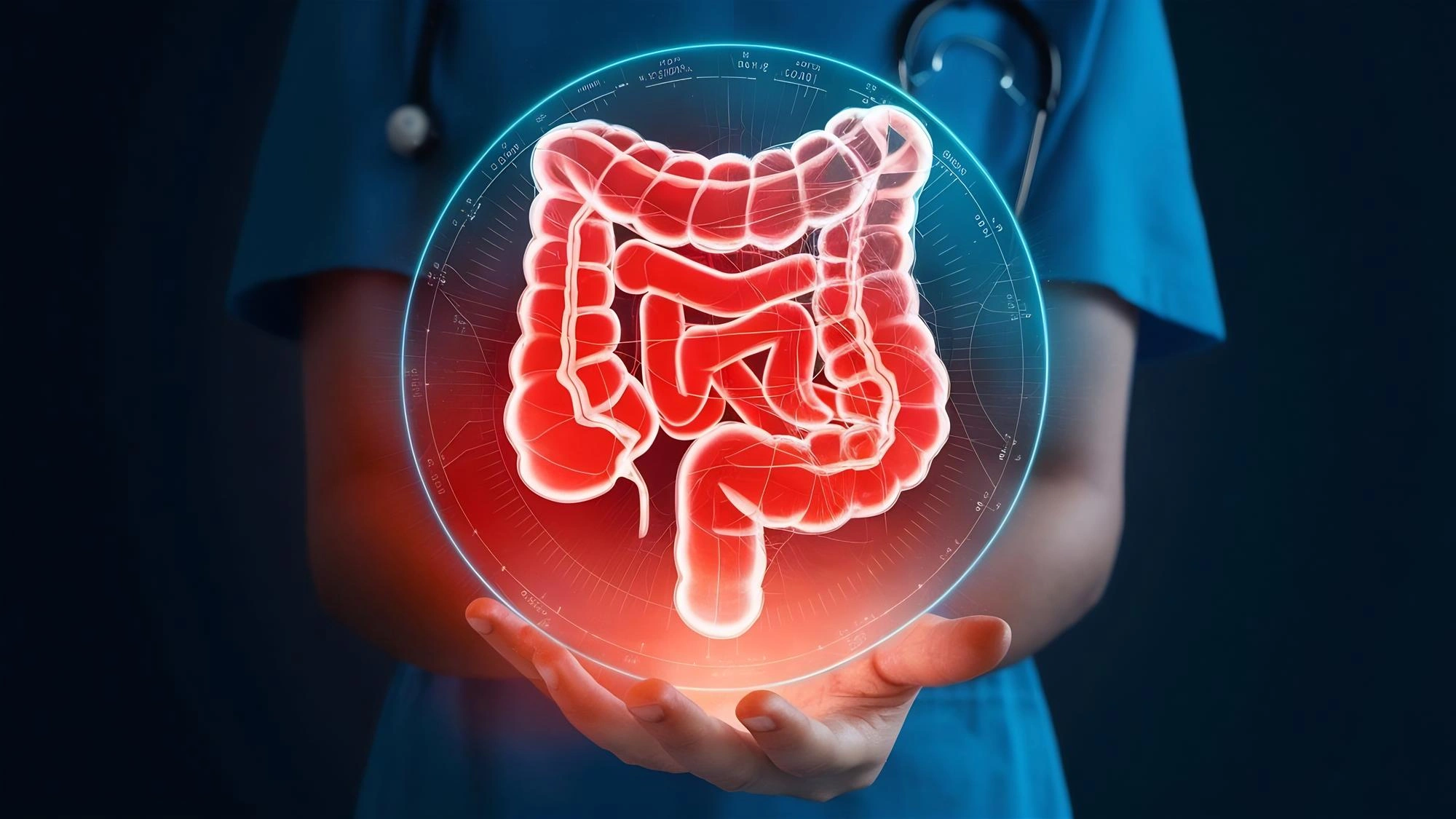
Colorectal Surgery: A Simple Guide to What to Expect
Colorectal surgery refers to procedures that treat conditions of the colon (large intestine) and rectum. It's a common area of surgery, but many patients still feel unsure about what it actually involves.
frequently asked questions
-
Robotic pancreatic surgery is performed through a few small incisions instead of one large cut. The surgeon controls fine robotic instruments while viewing a magnified 3D image of the surgical area, allowing precise movement in a small space. This can mean less pain, less blood loss, and a faster recovery compared with traditional open surgery, in suitable cases.
-
Whether robotic surgery is suitable depends on the type and stage of your condition, your overall health, and the complexity of the procedure required. Your surgical team will review your reports and discuss whether a robotic or open approach is the better option for your specific case.
- Recovery time varies from patient to patient and depends on the type of surgery performed. Many patients are encouraged to move around within a day or so after surgery and are gradually reintroduced to solid food. Your surgical team will give you a recovery timeline specific to your procedure.
-
Persistent abdominal pain that may spread to the back, unexplained weight loss, yellowing of the skin or eyes, and changes in digestion or blood sugar levels can all be signs of a pancreatic problem. These symptoms should be evaluated by a doctor rather than ignored.
-
Many patients need to adjust their diet temporarily after pancreatic, gastric, or colorectal surgery, often starting with liquids before returning to solid food. Depending on the procedure, some patients may also need enzyme supplements or ongoing dietary guidance. Your care team will support you through this transition.
-
It helps to bring any previous scans, blood test results, or medical records related to your condition, along with a list of your current medications and any questions you have. This allows our specialists to review your case thoroughly and discuss the most suitable treatment options with you.